Chair 04Salon Business
Fresha Passes $20 Million in Loans to Barbers and Beauty Businesses
Fresha Capital has issued over $20 million in loans with fintech Adyen, with 80% of borrowers renewing and up to $500,000 facilities in development.
By Grace Kim
- Service
- Salon Business
- Chair
- No. 04
- Booked
- Length
- 3 min
Consultation notes
- Fresha Capital has issued more than $20 million in loans since launching earlier this year with Adyen.
- Over 80% of borrowers have returned for additional financing, with renewals up about 50% on average.
- Fresha aims to make more than $200 million available and is developing loans of up to $500,000.
- More than 10,000 businesses on the platform are currently eligible for financing.
- London barbershop SliderCuts, founded by Mark Maciver, stayed open after an unsolicited Fresha Capital offer.
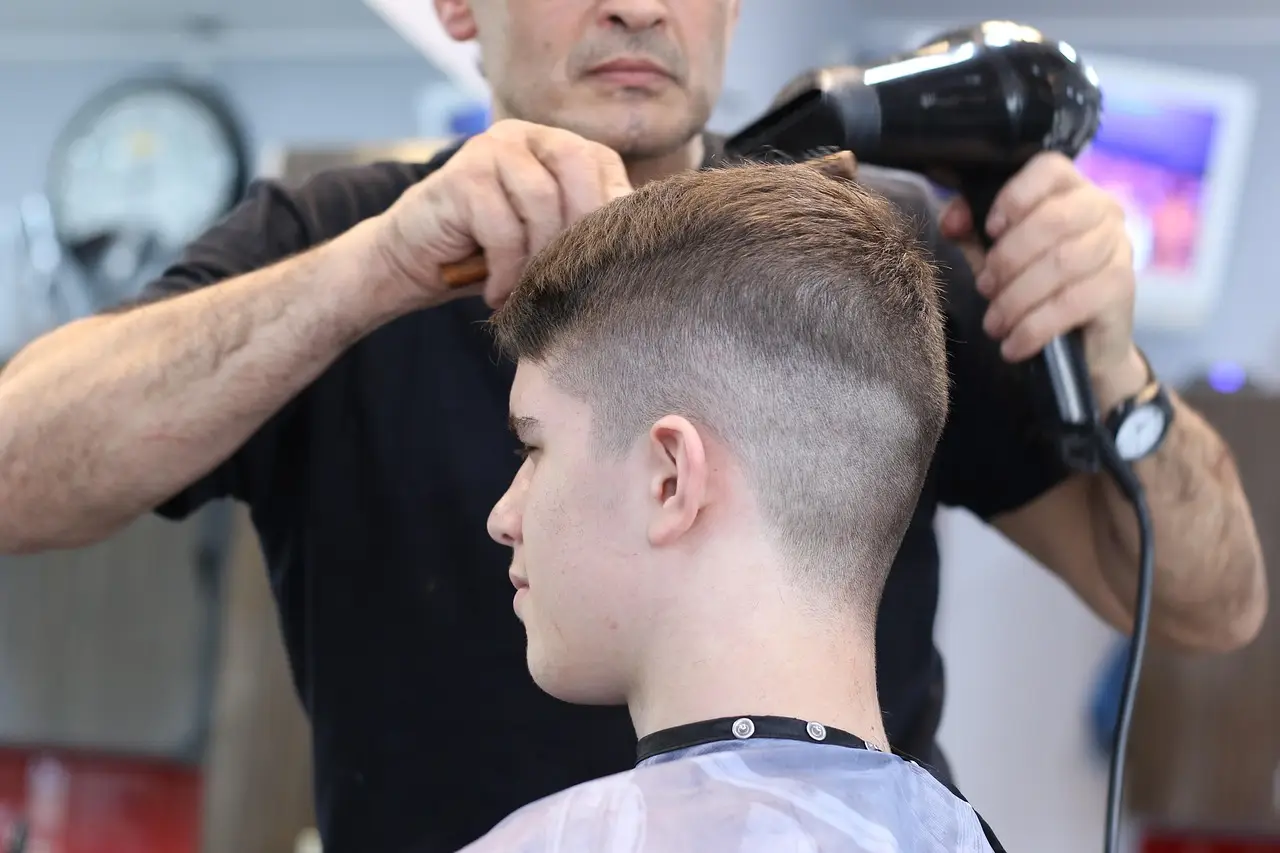
Fresha has issued more than $20 million in business loans to barbers and beauty businesses through Fresha Capital, its financing arm launched earlier this year in partnership with the fintech Adyen. The figure matters less for its size than for its repeat rate: over 80 percent of borrowers have come back for additional financing, with renewal amounts climbing by roughly 50 percent on average.
That renewal behavior signals something concrete for salon owners weighing expansion. Fresha Capital aims to make more than $200 million in financing available to eligible partners, and the company is now developing loan options of up to $500,000 with longer repayment terms and greater flexibility for larger capital requirements — the kind of money that covers a second location, a full refit or equipment replacement, not just cash-flow smoothing.
Who qualifies, and how the lending works?
More than 10,000 businesses on the platform are currently eligible for financing. Fresha Capital uses artificial intelligence to analyze business performance data drawn from the platform itself, which allows the lender to tailor offers to how a specific salon or barbershop actually trades, rather than relying solely on conventional credit assessment.
Dane Carmody, Head of Product at Fresha, framed the model in operational terms. "Fresha Capital was built to make business financing more accessible, using payment and performance data to provide funding that reflects how beauty and wellness businesses actually operate," he said.
For a working salon, the practical effect is that financing decisions sit inside the booking and payments software the business already runs on. There is no separate application pipeline to a bank that may not understand seasonal revenue patterns in hair and beauty.
What did the money do for SliderCuts?
The programme's impact is visible at SliderCuts, the London barbershop founded by Fresha ambassador Mark Maciver. Maciver, whose clients have included Stormzy, LeBron James and Anthony Joshua, ran into financial pressure when renovation costs at his Hoxton shop escalated beyond the original budget. With mounting expenses threatening the shop's future, he received an unsolicited financing offer through Fresha Capital that provided the funding needed to keep SliderCuts operating.
"When that loan came through, it was like a miracle because I didn't even ask them. I was also calling them to say, 'Yo, is this real?'" Maciver told The Times.
His case illustrates the programme's central pitch: because Fresha processes the shop's bookings and payments, it can see deteriorating cash positions before the owner asks for help, and extend credit pre-emptively.
Why does the 80 percent renewal rate matter?
An 80 percent return rate, with renewals averaging 50 percent larger than the original loan, tells two things. First, borrowers found the first facility useful enough to repeat. Second, businesses are moving from emergency funding — the SliderCuts pattern — toward staged growth capital, which is exactly the direction Carmody says the company is pushing.
"The programme's strong adoption demonstrates the demand for financing that is built directly into the tools businesses already use," Carmody said. "As we expand into new markets and develop larger financing options for enterprise partners, we're creating even more opportunities for businesses to access capital when they need it."
The next data point to watch is the $200 million deployment target and the rollout of the $500,000 enterprise-tier loans, which will show whether platform-native lending can scale beyond working-capital advances into serious facility financing.
via thetimes.com (Original)
More from Grace Kim
Show full bio
News editor covering regulation, policy and their impact on professional hair industry at Chairside Brief.
46 articles
Next in the book · Related articles
End of record · 3 min read