Chair 12Regulation & Safety
Hair Stylist Sues Hair Dye Makers Over Cancer Claim
A working hair stylist is suing hair dye manufacturers, claiming occupational chemical exposure caused her cancer. "I'm not normal anymore," she told NBC News.
By Amara Osei
- Service
- Regulation & Safety
- Chair
- No. 12
- Booked
- Length
- 2 min
Consultation notes
- A professional hair stylist has filed suit against hair dye manufacturers, NBC News reports.
- The plaintiff links her cancer diagnosis to long-term occupational exposure to hair dye chemicals.
- "I'm not normal anymore" — the stylist's quote frames the personal toll at the center of the case.
- Defendant names, products and diagnosis details appear in the full NBC News report and the court filing.
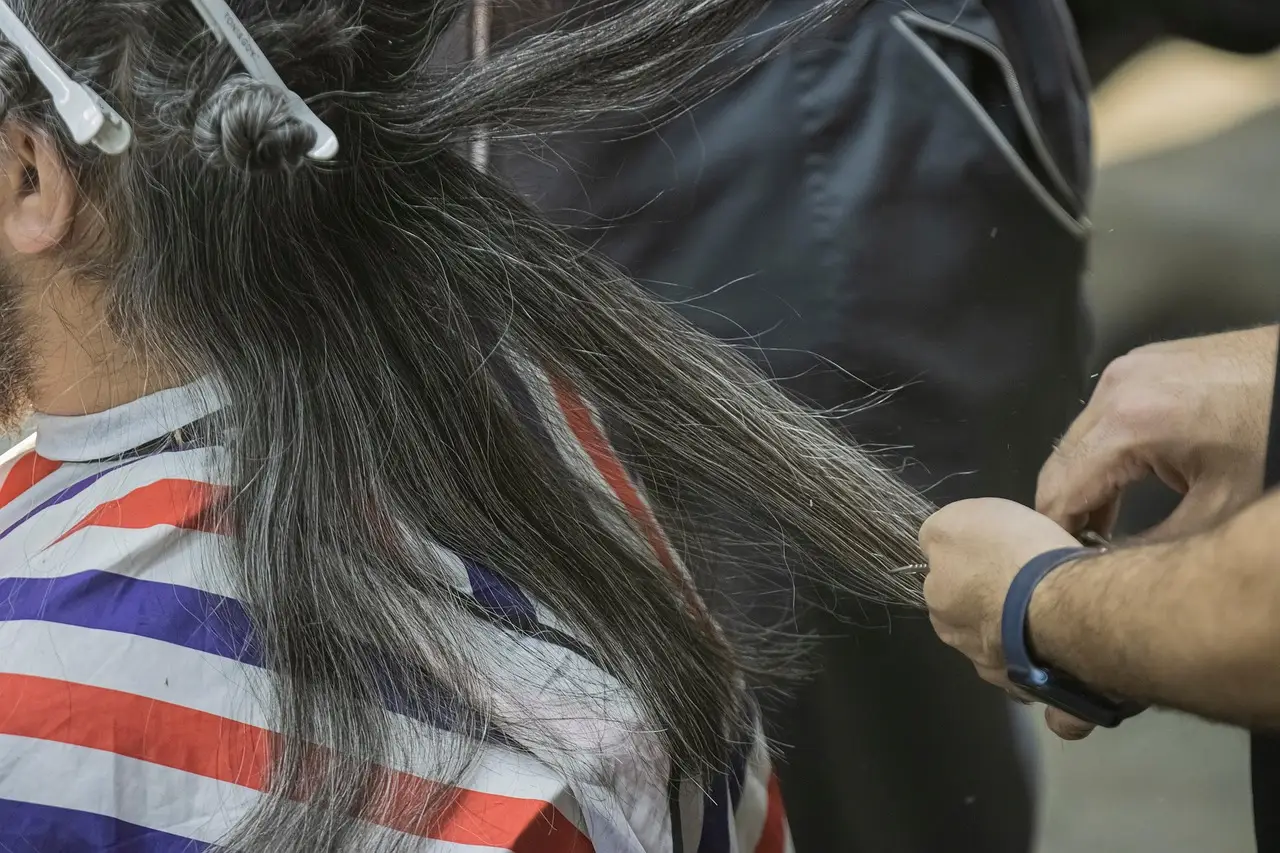
A professional hair stylist is suing the companies behind hair dye products, claiming occupational exposure to dye chemicals caused her cancer, NBC News reports.
The plaintiff's words frame the suit starkly: "I'm not normal anymore." She attributes the statement to the health toll of years working with professional color lines.
What do we actually know so far?
The complaint targets the manufacturers of the hair dye products she used behind the chair. NBC's headline confirms two things: the plaintiff is a working hair stylist, and her legal theory connects long-term exposure to hair dye chemicals with a cancer diagnosis.
That's the core of the story as it stands. The full NBC News report carries the details that matter most to a trade audience: the named defendants, the specific products cited, the diagnosis, and the alleged mechanism of harm. Chairside Brief will update as those specifics are confirmed from the filing.
Why a single lawsuit matters to every salon
Product-liability suits against chemical manufacturers rarely stay contained. If the plaintiff's claims gain traction, the ripple effects hit salons directly:
- Costs: Insurers reprice liability coverage for chemical services when litigation risk rises.
- Compliance: Regulators tend to revisit exposure limits and labeling rules after high-profile filings — think gloves, ventilation and mixing-station requirements.
- Staff: Booth renters and employees will ask what protection the salon provides during color services.
For a working colorist, the practical questions are immediate. What gloves are standard during application and rinsing? Is there source-capture ventilation at the color bar? Are safety data sheets current and actually read?
The science backdrop salons should track
Research on hair dye and cancer risk has produced mixed results over decades of study, which is precisely why a courtroom outcome could carry outsized weight. A settlement or verdict against dye manufacturers would give plaintiff attorneys a template — and would likely accelerate reformulation across professional color lines.
Reformulation, history shows, gets passed downstream. When manufacturers rework formulas to reduce liability exposure, salons absorb the transition: new mixing ratios, new pricing, retraining on application.
What comes next
Watch for three things: the named defendants and products in the filing, any response from the major professional color manufacturers, and whether additional stylists join as plaintiffs. A single suit is a news item. A consolidated action is an industry event.
The next concrete data point is the docket: the defendants' response to the complaint, which will signal whether this case settles quietly or becomes the vehicle for a broader occupational-exposure claim against the professional color industry.
via Google News - Salon Industry News (Source)
More from Amara Osei
Show full bio
Senior reporter covering companies, deals and strategy in professional hair industry at Chairside Brief.
48 articles
Next in the book · Related articles
End of record · 2 min read