Chair 11Competitions & Shows
Haircutting as Spectator Sport: The Festival Format Salons Should Watch
Business of Fashion turns its lens on the live-cut festival circuit. For working salons, the format is a marketing channel with measurable conversion — if budgeted correctly.
By Priya Raman
- Service
- Competitions & Shows
- Chair
- No. 11
- Booked
- Length
- 2 min
Consultation notes
- Business of Fashion published the feature "The Festival Where Haircutting Is a Spectator Sport," signaling mainstream editorial attention to the live-cut category
- The festival format borrows its production structure from esports tournaments and televised barber battles
- Live-cut rounds generate footage directly suited to TikTok and Instagram Reels distribution
- Festival cost stacks include booth rental, lighting, insurance, travel and lost chair time for competing stylists
- Salon owners should monitor 2026 regional calendar expansion and the depth of professional haircare brand sponsorship deals
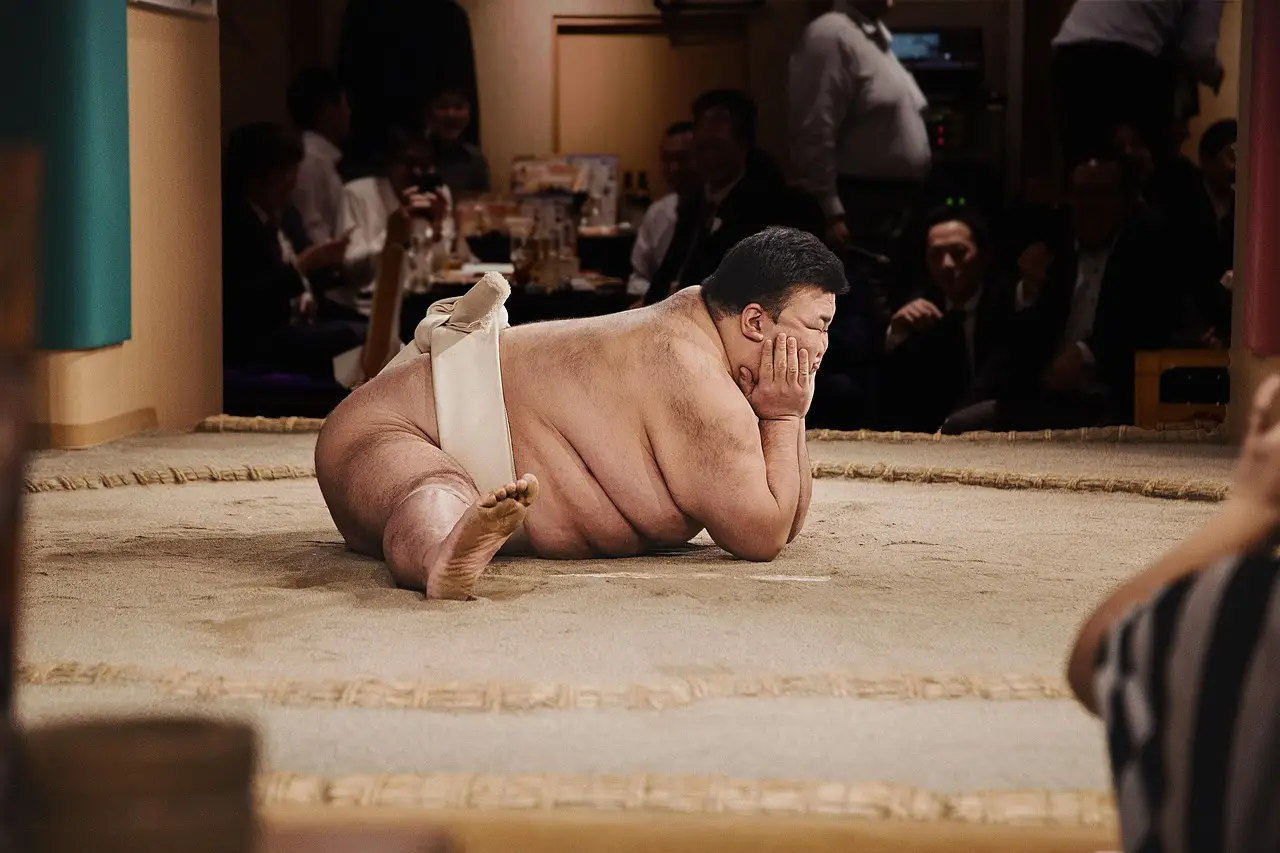
Business of Fashion has published "The Festival Where Haircutting Is a Spectator Sport," directing mainstream fashion editorial toward a category the salon trade has watched expand quietly for several seasons. For working salon owners, the coverage is a prompt to evaluate whether the live-cut festival format deserves space on next year's marketing calendar.
What does the format actually look like?
Haircutting at festival scale borrows its structure from esports tournaments and televised barber battles. Stylists perform on raised stages under timed conditions, with seated audiences — fans as well as trade buyers — watching each section and scissor stroke. Production values match music events: branded stages, lighting rigs, broadcast-quality cameras, and tiered seating that turns a technical skill demonstration into a ticketed entertainment product.
Why does editorial coverage now matter?
Two pressures have pushed the format upward. Spectacle monetizes in ways chair-side service cannot, giving brands and event operators a revenue line that does not depend on retail mark-up. Live cutting also feeds short-form video pipelines: every timed round produces footage suited to TikTok and Instagram Reels, the channels now driving a measurable share of stylist discovery. A Business of Fashion feature places these mechanics in front of the brand managers who allocate professional haircare budgets.
What changes for working salons?
For an independent or small-group salon, the practical question is not whether to compete but how the format touches the four chair-side P&L lines: services revenue, retail, staffing, and marketing spend.
- Services: Direct income from staged cutting is rarely material; the value sits in portfolio credit that lifts chair-side pricing power.
- Retail: Brands sponsoring festival circuits typically route post-event traffic toward their stockist lists, lifting retail through the following quarter.
- Staffing: Stylists who place at sanctioned events gain recruitment leverage; salons sponsoring their teams should expect the cost in travel days, not just entry fees.
- Marketing: Hosting a regional heat — or running a watch party in the salon — converts an external event into footfall.
The cost stack runs from booth rental and production insurance to travel and lost chair time for competing stylists. Without published rate cards from the major operators, salons should budget conservatively and weigh each line item against measurable attendee-to-client conversion.
What should salon owners watch next?
Two data points will determine whether the format crosses from trend to category. The first is calendar density: whether festival operators add regional dates for 2026 and how quickly entry fees and prize structures harden into published rate cards. The second is brand sponsorship depth — whether major professional haircare houses extend multi-event deals or treat the circuit as one-off activation. Until those signals land, salon owners should treat spectator haircutting as a marketing channel with measurable conversion, not as a contest for its own sake.
via Google News - Barber Competition (Source)
More from Priya Raman
Show full bio
Correspondent covering people, launches and day-to-day practice in professional hair industry at Chairside Brief.
56 articles
Next in the book · Related articles
End of record · 2 min read