Chair 12Salon Business
Las Vegas Barber Pivots to Mobile Shop After Losing Brick-and-Mortar
A Las Vegas barber has launched a mobile barbershop that travels to clients after losing his brick-and-mortar location, giving salon owners another case study in rent-versus-route economics.
By Grace Kim
- Service
- Salon Business
- Chair
- No. 12
- Booked
- Length
- 3 min
Consultation notes
- A Las Vegas barber launched a mobile barbershop after losing his brick-and-mortar location, FOX5 Vegas reported.
- FOX5's coverage did not specify the barber's name, service menu, or pricing structure.
- The mobile model replaces shop rent and utilities with fuel, vehicle maintenance, and mobile-business insurance.
- Mobile cosmetology rules in Nevada must be confirmed with the Nevada State Board of Cosmetology before the first paid house call.
- Operators should watch whether the Las Vegas operation expands its service area or returns to a fixed storefront.
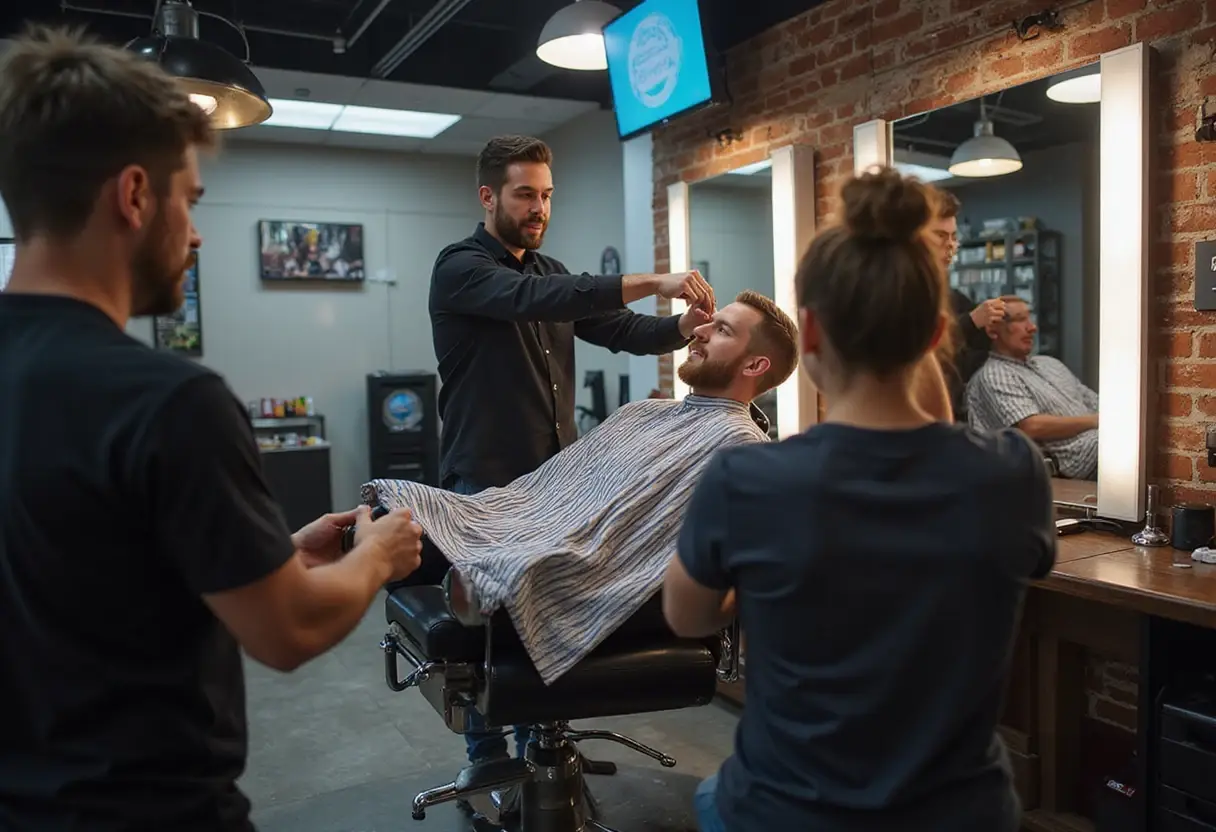
A Las Vegas barber has launched a mobile barbershop, traveling to clients after losing his brick-and-mortar location, FOX5 Vegas reports. The format places the operator among a small but growing group of independents converting vehicle-based service into a primary revenue channel rather than a supplementary one tied to a leased shop.
The headline details confirm the operator now delivers house-call services from a vehicle. The outlet's coverage does not specify the barber's name, the size of the mobile unit, the service menu, the hours of operation, or the pricing structure.
What does going mobile actually change for a salon?
For a working barber or stylist, the mobile model swaps one set of fixed costs for another. A leased shop carries rent, utilities, front-desk wages, and on-site product storage; a mobile rig shifts the cost stack toward fuel, vehicle maintenance, mobile-business insurance, and per-appointment travel time that limits the number of cuts per day.
Pricing power sits with the operator, since house-call services typically command a premium above walk-in rates to absorb travel time and lift unit economics back toward a shop average.
Trade-offs operators report across the mobile-beauty segment include:
- Loss of walk-in traffic from foot or vehicle passersby
- Insurance riders covering professional services performed from a vehicle
- Local zoning and parking rules governing where a mobile unit may operate
- Reduced daily booking volume due to travel time between appointments
Why the mobile pivot keeps surfacing
Independent barbers have turned to mobile operations as commercial lease renewals have priced out solo owners and first-time shop operators. The Las Vegas case adds another example to the trend, though the public economics remain undisclosed; the FOX5 report gives operators another case study to reference but does not publish the cost comparison that would tell owners whether the model preserves margin.
For owners working through a similar decision, the key questions are whether the mobile route serves as a permanent operating model or a temporary bridge while a new shop is sourced, and whether route-based clients produce enough repeat demand to match the throughput of a fixed location.
What to verify before booking the first house call
Mobile cosmetology rules vary by state and county and often impose requirements beyond the standard license, including sanitation, water access, and product-storage standards that do not apply to a leased shop. Operators running a mobile service in Nevada should confirm the mobile-service permit and venue rules directly with the Nevada State Board of Cosmetology before performing the first paid appointment, since mobile regulations frequently diverge from shop-based rules.
The board typically wants proof of clean water for chemical services, waste-disposal documentation, and a vehicle inspection on file before a mobile permit issues.
How the trade should read this case
The Las Vegas story is less a trend piece than a single-operator case study. It tells independent barbers what one route looks like when a fixed location fails; it does not say whether that route is profitable, scalable, or replicable in any other market.
The next data point operators should watch: whether the Las Vegas barber's mobile operation expands its service area, holds pricing steady, or returns to a fixed storefront. That trajectory will signal whether the model builds a sustainable client base or stays a stopgap.
via Google News - Barbershop Business (Source)
More from Grace Kim
Show full bio
News editor covering regulation, policy and their impact on professional hair industry at Chairside Brief.
46 articles
Next in the book · Related articles
End of record · 3 min read