Chair 11Staffing & Booth Rent
My Salon Suite Franchisees Put People First in Suite Rental Model
Franchise Times profiles My Salon Suite franchisees whose people-first approach to suite members anchors retention and occupancy in the fast-growing salon-suite rental segment.
By Rebecca Stone
- Service
- Staffing & Booth Rent
- Chair
- No. 11
- Booked
- Length
- 3 min
Consultation notes
- Franchise Times profiled My Salon Suite franchisees whose operating philosophy centers on people, not just units.
- My Salon Suite rents private, lockable suites to independent beauty professionals on a monthly basis.
- The franchisees' people-first posture is aimed at member retention, which drives occupancy and unit economics.
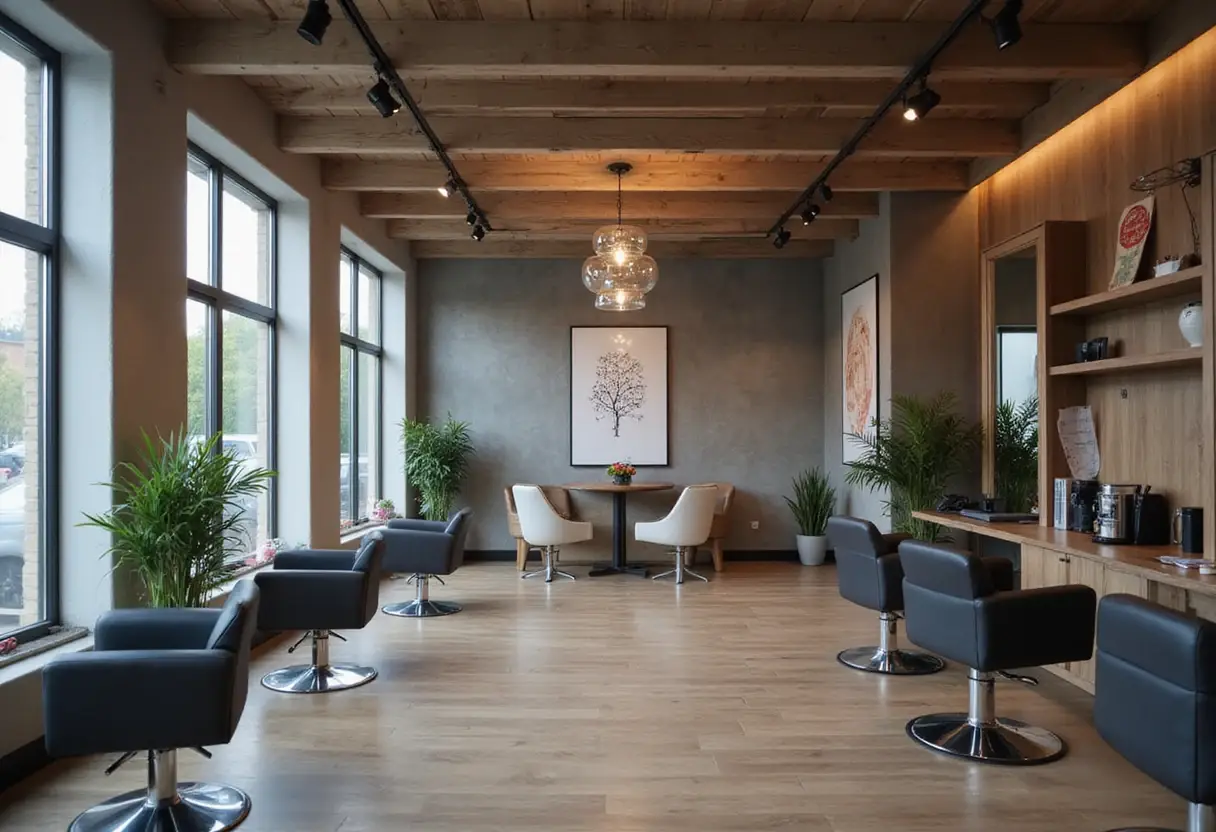
My Salon Suite franchisees are building their businesses around a single operating principle: keep the focus on people, according to a new Franchise Times profile of operators within the suite-rental franchise system.
The feature, published by franchisetimes.com, spotlights individual franchisees of My Salon Suite, the brand whose model gives independent beauty professionals — hairstylists, estheticians, nail techs, barbers, massage therapists — private, lockable suites they rent by the month rather than commission chairs or employee stations inside a traditional salon.
For working salon owners watching the segment, the piece lands at a moment when the suite-rental model keeps pulling share from conventional salons. Every stylist who moves into a suite is a service provider a commission salon no longer books, and the retention strategies franchisees describe are aimed squarely at the professionals a salon owner most wants to keep.
The profile's core argument is straightforward. In a business where the franchisee's customer is, in effect, the beauty professional rather than the end consumer, the quality of the landlord-tenant relationship drives occupancy, and occupancy drives the unit's economics. Franchisees who treat suite members as long-term partners rather than interchangeable rent payers, the article reports, see the payoff in lower turnover and steadier revenue.
That people-first framing touches three areas a working salon can read across to its own operation.
First, staffing. The suite model's pitch to beauty pros is autonomy: set your own hours, set your own prices, keep your service revenue, build your own client book. Salons competing for the same licensed professionals have to answer that pitch — with education, with product allowances, with a genuine path to seniority or partnership — or accept that their best chairs may keep walking.
Second, service structure. When an operator's job shifts from directing a service floor to supporting dozens of micro-businesses under one roof, success gets measured in member retention, suite utilization and lease renewals rather than retail attach rates and rebooking percentages. The franchisees profiled treat the professional as the client. A conventional salon that borrows even part of that posture — treating its stylists as internal customers whose tools, scheduling and marketing the salon actively serves — is doing retention work that suite operators have made central to their model.
Third, cost and compliance. The suite model relieves the franchisee of much of the payroll complexity that comes with employed stylists — no commission splits to administer, no booth-renter classification questions on the salon side, since the professional runs their own business inside the suite. For salon owners, that contrast is a reminder of how much of a traditional salon's administrative burden sits in employment: payroll tax, scheduling, benefits, and the classification exposure that comes with renting chairs to contractors who behave like staff.
The Franchise Times piece is, at bottom, a franchise-business story rather than a techniques story, but its subject matter sits squarely on the trade. My Salon Suite's continued expansion means salon owners in more markets are competing with a landlord offering independence, privacy and a lock on the door. The franchisees' people-centered playbook — attention to the professional's needs, responsiveness, community among members — is the retention machinery behind that expansion.
The operators profiled are not presented as stylists themselves; they are franchise investors whose product is a well-run environment. That distinction is worth noting for any salon owner weighing a response. You cannot out-landlord a suite operator on independence. You can compete on what the suite cannot easily offer: team culture, apprenticeship, back-of-house support, education, and shared marketing muscle.
The next data point to watch is My Salon Suite's unit count and occupancy performance in upcoming franchise disclosure cycles, which will show whether the people-first operator posture profiled by Franchise Times is translating into sustained member retention as more conventional salons sharpen their own retention offers.
via Google News - Salon Suite Business (Source)
More from Rebecca Stone
Show full bio
Staff writer covering people, launches and day-to-day practice in professional hair industry at Chairside Brief.
51 articles
Next in the book · Related articles
End of record · 3 min read