Chair 05Regulation & Safety
Three Daily Exercises to Keep Hairstylists and Nail Techs Injury-Free
Brooks Rehabilitation PT Mallory Behenna prescribes a 10-minute posture reset and three exercises—planks, single-leg step-ups, and side-lying leg raises—to keep hairdressers, barbers and nail techs on the schedule longer.
By Amara Osei
- Service
- Regulation & Safety
- Chair
- No. 05
- Booked
- Length
- 4 min
Consultation notes
- Orthopedic PT Mallory Behenna, DPT, of Brooks Rehabilitation prescribed a posture reset every 10 minutes and three daily exercises for salon professionals.
- Plank holds should build to 60 seconds to develop core endurance and spinal support.
- Step-ups call for 10 to 15 reps for 3 sets per leg on a 4- to 8-inch platform.
- Side-lying hip abduction calls for 10 to 15 reps for 3 sets per side.
- The average American spends more than 9 hours per day in front of screens, contributing to rounded-shoulder "tech neck" posture.
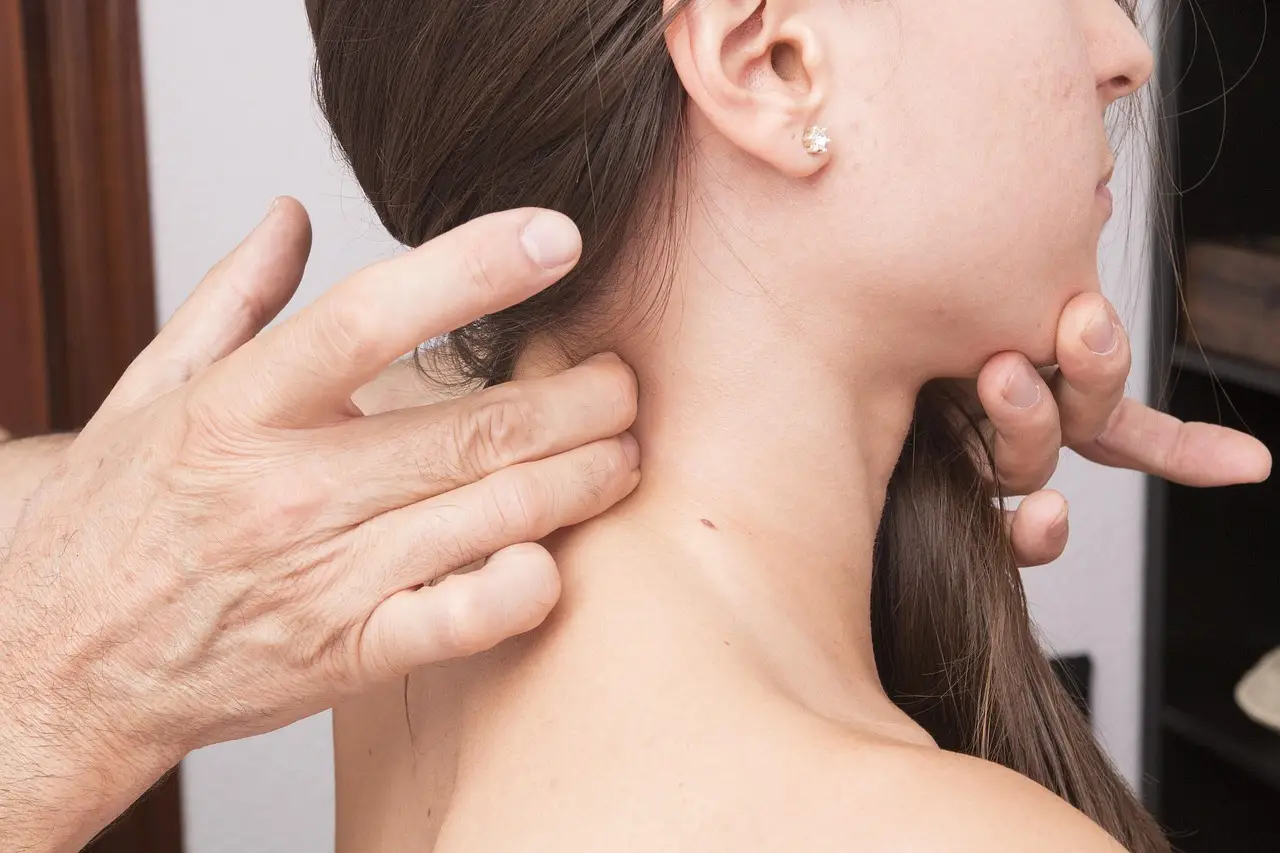
Salon professionals should change position at least once every 10 minutes and add three daily exercises—planks, single-leg step-ups, and side-lying leg raises—to head off the neck, back and shoulder injuries that drive stylists off the floor, orthopedic physical therapist Mallory Behenna, PT, DPT, of Brooks Rehabilitation told Chairside Brief.
The protocol matters for more than personal comfort. In a trade built on commission revenue and chair rent, every missed shift costs both the stylist and the salon. A few minutes of daily mobility work is a fraction of the price of a chronic injury or a senior stylist stepping down from full-time hours.
Behenna shaped the routine specifically for hairdressers, barbers and nail technicians—three groups whose daily movements isolate the same muscle groups for hours on end.
Why the 10-minute reset matters
The recurring reset interrupts cumulative load that builds during a cut, color or fill.
"Anytime we have to maintain the same posture for a prolonged period of time, our bodies will get stiff and sore," Behenna said. "Even the smallest change in position—letting an arm rest by the side or sitting up from a hinged-forward position for a few seconds—can allow some relief to the joints."
That micro-break costs the salon zero and keeps senior talent productive for more career years.
The three moves to program daily
Behenna recommended layering these exercises into the workday to build the stability that supports long shifts:
- Plank hold. Get into push-up position with the body in a straight line from head to toe. Avoid letting the hips sag or rise. Build up to a 60-second hold. Behenna: "Planks work your core stability and endurance, which helps with overall balance and stability as well as protecting your spine."
- Single-leg step-ups. Use the bottom step of a staircase or a sturdy 4- to 8-inch platform. Step up with one leg and slowly lower. Perform 10 to 15 reps for 3 sets on each leg. Adding a knee drive toward the chest at the top raises the difficulty.
- Side-lying hip abduction. Lie on one side with the bottom knee bent and the top leg straight. Raise the top leg while keeping the heel slightly behind the hip. Lower slowly and repeat 10 to 15 reps for 3 sets per side.
For a salon operator, the appeal is a routine with no equipment cost that any team member can run between clients.
Overhead work for hairstylists
Hairstylists spend hours with arms elevated, overloading the shoulders and neck. Behenna's prescription: keep the elbow at the side and the shoulder blade shrugged down and back to avoid excessive stress on the upper trapezius muscles.
For dense, wet hair, she advised using body weight—not arm strength—to push the comb or brush through.
"Use a weight shift to comb or brush through thick, wet hair versus the arm muscles to decrease stress in the shoulder," Behenna said. "Think of the arm as an extension of your body, and the position of the hips and pelvis controls the arm."
She also flagged unilateral loading. "Holding a very heavy weight on just one side can be beneficial when done correctly—we even use it as an exercise," Behenna said. "However, it can also be detrimental if you cannot maintain a neutral position against the weight. This puts more stress on the neck, shoulders, thoracolumbar spine and core muscles, which can cause or exacerbate pain."
Forward-bent work for nail techs
Nail technicians spend hours leaned forward. Behenna recommended hinging from the hips, not rounding the spine, when working.
"Bending from the spine puts more stress on the muscles and joints, while hinging from the hips allows the spine to stay in a more comfortable, neutral position and avoids unnecessary stress," she said.
She added that technicians should keep both feet planted on the floor to help offload the spine, rather than resting feet on chair casters.
Screen hours, sleep, and the next data point
The average American spends more than nine hours per day in front of screens, contributing to the rounded-shoulder, head-forward posture that compounds salon strain. Behenna recommended sleeping on the back or side with a pillow supporting the neutral neck, noting that stomach sleeping holds the neck at end-range rotation for hours.
The next data point to watch: whether the posture braces and corrective devices that continue to trend online hold their ground against movement-based programs as the default recommendation for salon workers—or whether movement resets like Behenna's 10-minute rule become the standard ergonomic protocol operators and insurers reference.
via Modern Salon (Source)
More from Amara Osei
Show full bio
Senior reporter covering companies, deals and strategy in professional hair industry at Chairside Brief.
48 articles
Next in the book · Related articles
End of record · 4 min read