Chair 06Salon Business
Why Business Training Is Becoming the Next Salon Staffing Battleground
Santa Monica College and Savvy Beauty Academy are folding salon management into cosmetology curricula as workforce shortages expose a business-skill gap among the nearly half of U.S. hairstylists who are self-employed.
By Rebecca Stone
- Service
- Salon Business
- Chair
- No. 06
- Booked
- Length
- 3 min
Consultation notes
- Nearly half of U.S. hairstylists and cosmetologists are self-employed, according to the Bureau of Labor Statistics
- Salons and barbershops now cite workforce shortages as one of their biggest operational obstacles
- Santa Monica College runs a salon business program taught by working salon owners
- Savvy Beauty Academy integrates salon management and entrepreneurship across its cosmetology curriculum
- Paula Peralta is Artistic Director for John Paul Mitchell Systems and founding ambassador for LumariPRO
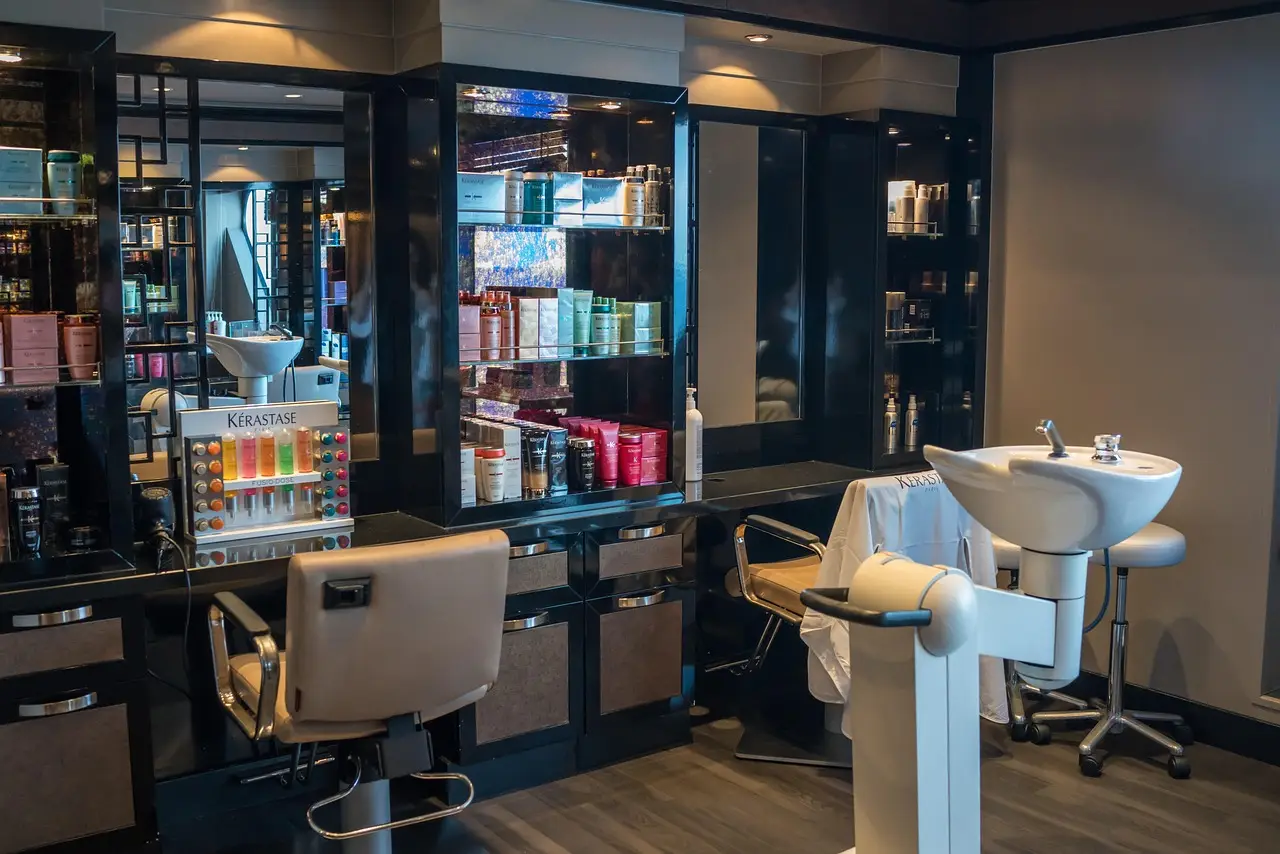
Santa Monica College and Savvy Beauty Academy have begun folding salon management directly into cosmetology curricula, but the two Los Angeles programs remain exceptions as the U.S. professional beauty industry wrestles with a workforce shortage it cannot solve with shear technique alone.
Nearly half of all hairstylists and cosmetologists in the United States are self-employed, according to the Bureau of Labor Statistics. They operate one-chair studios, rent booths or build personal brands on Instagram and TikTok. The schools that license them, however, devote most of classroom time to cut, color and chemical work, leaving pricing, marketing, bookkeeping and growth decisions to instinct.
That gap now shows up in hiring data. Salons and barbershops cite workforce shortages as one of their biggest obstacles, and operators with the strongest retention rates tend to invest in education and training for their staff. Few operators actually fund that training, according to recent industry trend reports.
Paula Peralta, a Los Angeles-based curly-hair stylist who serves as Artistic Director for John Paul Mitchell Systems and founding ambassador for LumariPRO, has watched the shortfall from behind the chair. She frames it bluntly: artistry is now the price of entry, not a guarantee of a lasting career. A stylist who does beautiful work but cannot make the math work, she argues, will burn out or close up shop within a few years of licensure.
What does the gap cost a working salon?
A graduate who can execute a precision cut but cannot read a profit-and-loss statement will struggle to set prices that sustain chair rent, an assistant wage or a continuing-education budget. The downstream effect hits the employing salon in higher turnover, lost clientele and rising recruitment costs at a moment when stylists already command premium wages. Retention, the trade data suggest, follows training dollars, not discount retail.
Who is actually closing the gap?
Santa Monica College runs a salon business program whose faculty are working owners. It centers on building a real growth plan, not just passing the state exam. Savvy Beauty Academy integrates salon management and entrepreneurship across its cosmetology curriculum rather than bolting them on at the end. Peralta calls both rare, especially outside major metro areas such as Los Angeles, and neither school lists a formal national network of peer institutions.
What format actually fits behind the chair?
Most existing programs assume a fixed schedule, multi-week commitment and uninterrupted attention, conditions a fully booked column rarely allows. Peralta says a Tuesday-night webinar will lose to a late client or a kid waiting at soccer practice every time. The format that works, in her view, runs short and on demand, so a lesson fits into the 20 minutes between a color process and the next blowout. Content should attach to live decisions such as the price increase a stylist is nervous to announce or the slow month she cannot explain, rather than abstract theory.
What should operators watch next?
The BLS self-employment figure is the structural pressure point. With roughly 49% of licensees running micro-businesses, the industry cannot continue to treat business literacy as a soft skill. Watch the next state cosmetology board cycle for any move to require entrepreneurship credits, and track Santa Monica College and Savvy Beauty Academy enrollment data as the clearest leading indicator of whether the model spreads beyond Los Angeles.
via americansalon.com (Original)
More from Rebecca Stone
Show full bio
Staff writer covering people, launches and day-to-day practice in professional hair industry at Chairside Brief.
51 articles
Next in the book · Related articles
End of record · 3 min read