Chair 10Salon Business
Zeus Room Barbershop Cuts Haircut Prices, Citing the Economy
Zeus Room Barbershop in Springfield has lowered haircut prices, citing the economy — a rare defensive pricing move that pressures rival shops and tests client loyalty.
By Grace Kim
- Service
- Salon Business
- Chair
- No. 10
- Booked
- Length
- 3 min
Consultation notes
- Zeus Room Barbershop has lowered its haircut prices, citing the economy as the reason.
- The shop operates in Springfield, Missouri.
- The move runs against the industry's recent pattern of annual price increases.
- The decision pressures competing barbershops and salons in the local market.
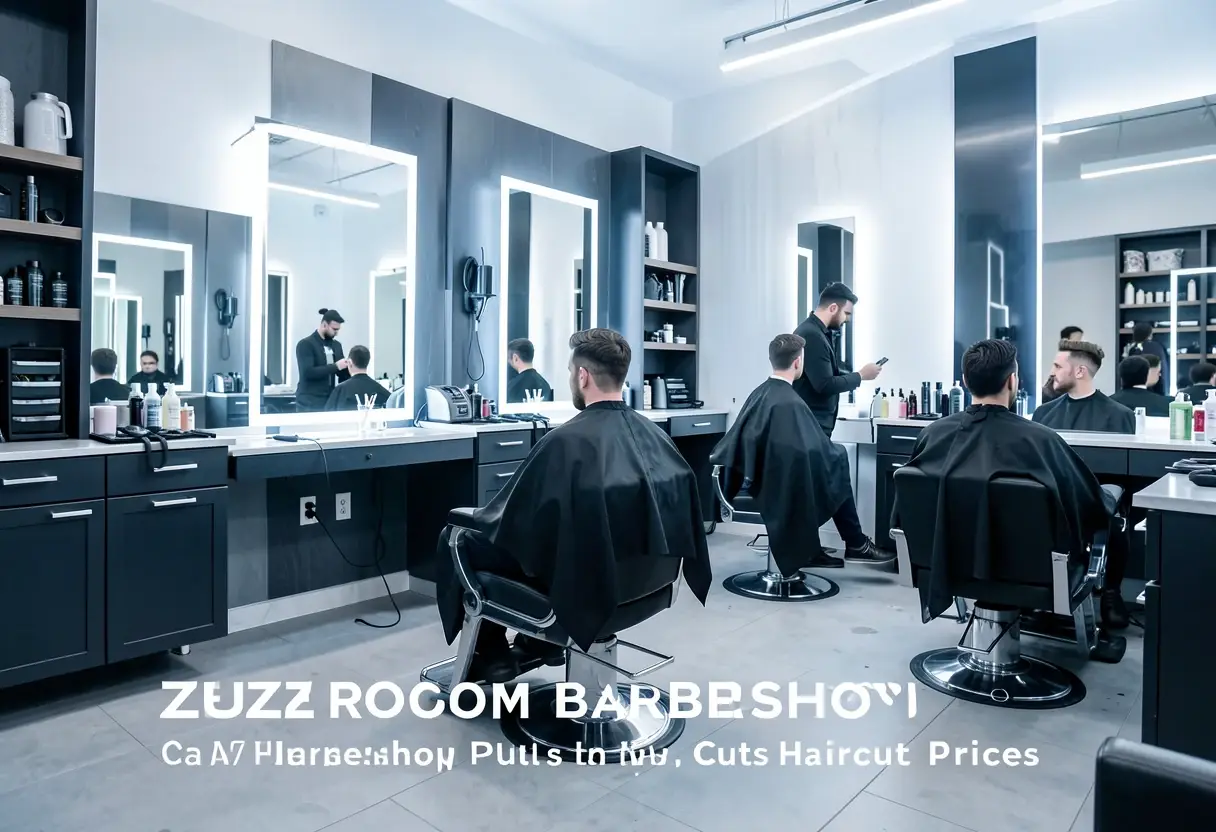
Zeus Room Barbershop has dropped its haircut prices, pointing squarely at the economy as the reason. The Springfield, Missouri shop's move puts pricing pressure at the front of the local grooming market and challenges the near-universal assumption that salon and barbershop rates only move one way: up.
For the past several years, the default playbook across the professional hair industry has been annual price increases — driven by rising product costs, higher chair rents, and wage competition for licensed stylists. Zeus Room's decision runs against that current. When a shop lowers its headline service price, it signals that management sees demand softness among its own client base, not just macro headlines.
What does a price cut signal?
Barbershops operate on some of the tightest margins in the personal-care sector. A haircut is a high-frequency, comparatively low-ticket service, and regulars are the revenue base. If walk-ins and repeat clients start stretching the interval between visits — six weeks instead of four — volume falls before anything else in the P&L looks wrong. Cutting prices is a defensive move to keep clients in chairs and protect frequency.
For an owner-manager, the arithmetic is unforgiving. A lower ticket must be offset by higher volume, faster turnaround, or add-on services such as beard trims and shaves. If Zeus Room holds its staffing steady, the cut works only if the price elasticity of its clientele is real: enough additional or retained visits to cover the difference.
What does it mean for other shops?
Springfield is a competitive grooming market, and a visible price cut by one operator rarely stays contained. Neighboring barbershops and budget salons may face clients asking directly, "Why are you charging more?" Owners should prepare front-desk and stylist answers that articulate value — consultation time, product quality, licensed expertise — rather than reflexively matching the cut.
There is also a staff dimension. If price cuts compress per-service revenue, commission-based barbers feel it immediately in their paychecks. Booth renters are insulated, but employees on percentage splits are not. Any shop considering a similar move should model take-home pay for every barber on the schedule before announcing new pricing.
Pricing as positioning
The move also functions as marketing. A barbershop willing to publicly cite "the economy" in its pricing decision is speaking directly to budget-conscious clients — the same clients chains and franchise salons have been courting with couponing and app-based discounts. Independent shops have generally resisted discount positioning on the theory that it erodes perceived quality. Zeus Room is testing the opposite thesis: that accessibility, in this climate, wins loyalty.
The risk is a one-way door. Prices are easy to cut and hard to restore. Clients anchor quickly, and a future increase back to prior levels can read as a hike rather than a reversion. Industry consultants have long advised that a raise is smoother than a rollback — which makes this decision notable precisely because the shop accepted that trade-off.
What to watch next
The signal for the wider market will come from whether other Springfield-area shops follow, and whether Zeus Room's client counts and wait times rise enough to justify the cut. For owners tracking their own books, the leading indicators are already visible: visit frequency per client, average ticket, and no-show rates. If those are sliding, Zeus Room's move will look less like an outlier and more like an early response to a broader consumer pullback in grooming spend.
via Google News - Barbershop Business (Source)
More from Grace Kim
Show full bio
News editor covering regulation, policy and their impact on professional hair industry at Chairside Brief.
46 articles
Next in the book · Related articles
End of record · 3 min read