Chair 08Salon Business
46 Private Suites: National Salon Operator Opens Large New Jersey Location
A national salon business has opened a large New Jersey location with 46 private suites, pressuring local commission salons on staffing and pricing.
By Grace Kim
- Service
- Salon Business
- Chair
- No. 08
- Booked
- Length
- 3 min
Consultation notes
- A national salon business opened a large New Jersey site with 46 private suites.
- The site is larger than typical suite salons, which generally run 20 to 30 stations.
- The format targets licensed stylists, barbers, estheticians and nail technicians moving to booth rental.
- Renters typically pay weekly rent plus product, insurance and self-employment costs.
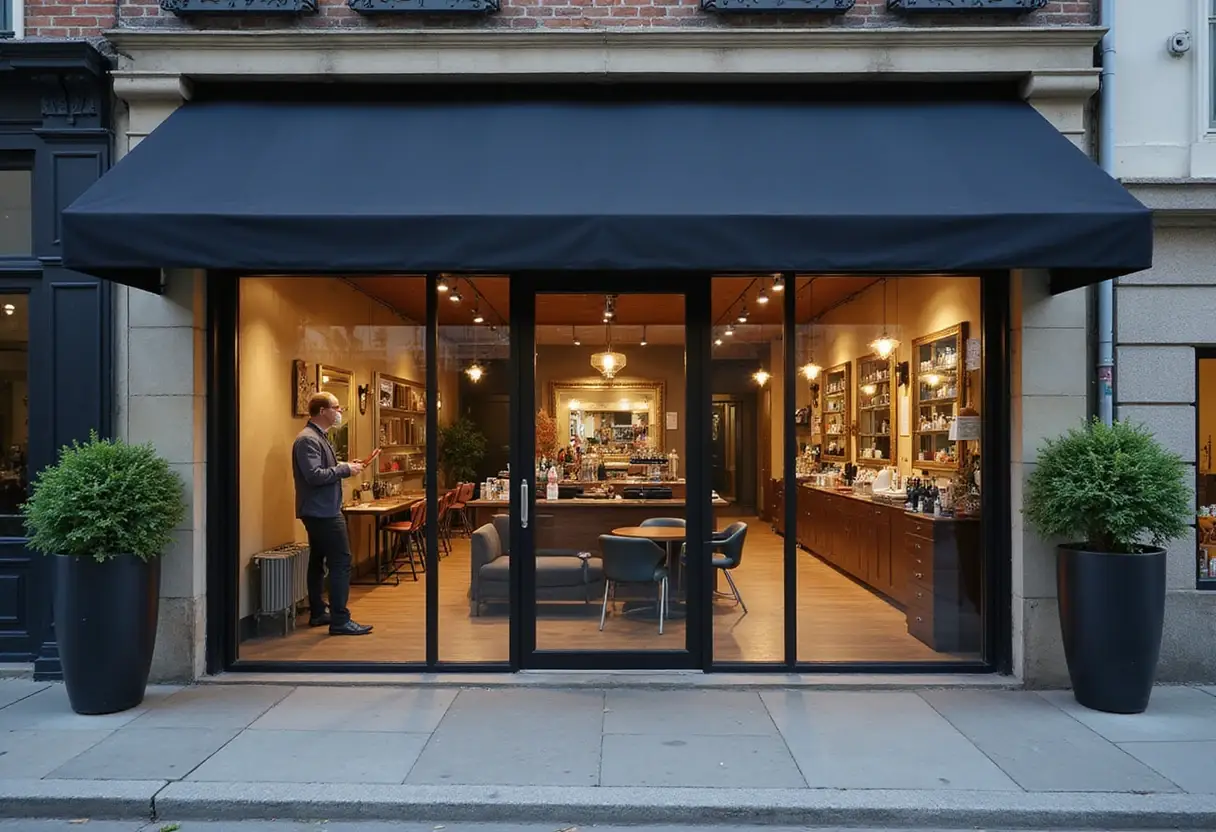
A national salon business has opened a large New Jersey site fitted with 46 private suites, one of the bigger single-location builds in the state's professional beauty sector and a clear signal of where the industry's growth capital is flowing.
The opening matters for three reasons: scale, format, and geography. Forty-six suites place this site well above the typical suite salon footprint, which usually runs closer to 20 to 30 stations. That size implies a substantial lease commitment and a bet that independent stylists, barbers, estheticians, and nail techs in the surrounding market are ready to move from commission or hourly employment into booth rental.
New Jersey supports that bet demographically. Dense population, high median household income relative to national averages, and a licensed cosmetology workforce large enough to fill dozens of private studios make the state a natural target for national suite operators expanding from their core Sun Belt and Texas markets.
What does a 46-suite site change for local salons?
For salon owners within driving distance of the new location, the competitive math shifts in two concrete ways.
First, staffing. Suite salons recruit experienced professionals with a straightforward pitch: keep your service revenue, build your own client book, and control your schedule. A commission salon paying stylists 40 to 50 percent of service sales now competes for the same talent against a model that offers closer to 100 percent of revenue in exchange for weekly rent, product costs, and self-employment obligations.
Second, pricing. Independent suite tenants often set their own menu prices, and some undercut local full-service salons that carry overhead for reception staff, retail inventory, and shared equipment. Owners should expect pressure on mid-market pricing in the trade area around the new site.
What does the suite model mean for renters themselves?
The economics cut both ways. A stylist moving into a private suite trades a predictable commission paycheck for weekly rent — typically several hundred dollars per week in comparable markets — plus self-employment taxes, insurance, and product purchasing. Volume has to rise to cover the fixed cost.
The upside is equally concrete: no commission split, direct control of retail margins, and an asset — the client book — that the stylist owns outright. For established professionals with full columns, the math frequently favors the move. For juniors still building clientele, it usually does not.
Why the 46-suite format keeps growing
The private-suite segment has been among the fastest-expanding formats in American professional beauty over the past decade, and large builds like this New Jersey site are the pattern, not the exception. National operators scale by signing long leases on big-box retail footprints, building out identical studios, and filling them franchise by franchise or suite by suite.
For landlords, the model is attractive: beauty services have proven resilient through retail downturns. For the industry, the format keeps shifting the workforce from employees to independent contractors, with consequences for training pipelines, team culture, and benefits that salon owners are still working through.
What to watch next
Watch the fill rate. How quickly those 46 suites lease out — and at what weekly rent — will tell local salon owners whether the demand for independence in this market is as deep as the square footage suggests. The next data point is the operator's announced occupancy target and any follow-up opening in the region.
via Google News - Salon Suite Business (Source)
More from Grace Kim
Show full bio
News editor covering regulation, policy and their impact on professional hair industry at Chairside Brief.
46 articles
Next in the book · Related articles
End of record · 3 min read