Chair 08Salon Business
British Beauty Council takes up the fight for high-street beauty
The British Beauty Council has publicly backed beauty businesses on the high street, giving salons and independent operators a collective voice on town-centre trading pressures.
By Priya Raman
- Service
- Salon Business
- Chair
- No. 08
- Booked
- Length
- 2 min
Consultation notes
- The British Beauty Council has publicly stood up for beauty businesses trading on the high street
- The intervention covers salons and independent beauty businesses facing town-centre trading pressures
- The Council is framing beauty as core high-street infrastructure rather than a discretionary extra
- No specific policy demand was attached to the announcement; the focus is advocacy and sector visibility
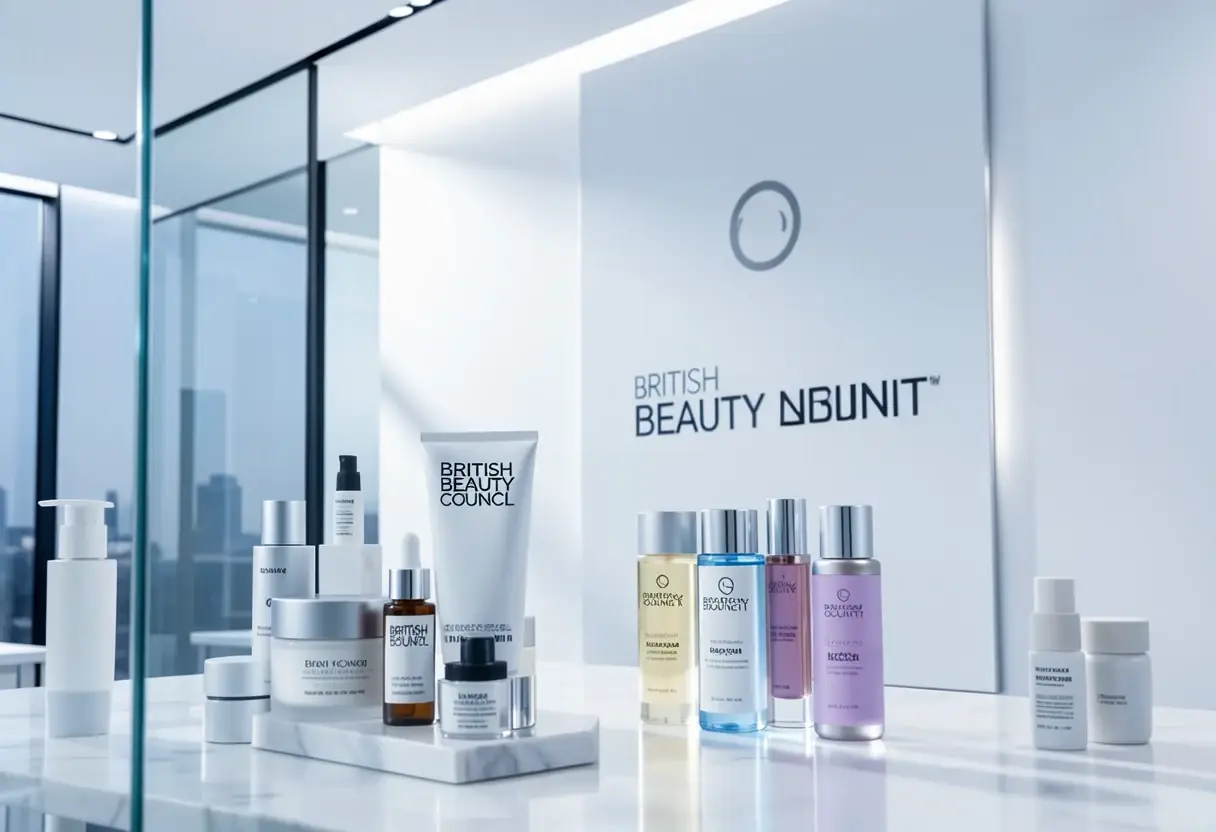
The British Beauty Council has formally stood up for beauty businesses on the high street, putting its weight behind salons, barbershops and independent beauty retailers facing mounting pressure in town-centre trading conditions.
The move puts a named industry body — not individual operators — in the public position of advocating for beauty businesses that rent, lease or own high-street premises. For salon owners, that matters: campaigns carried by an organisation with the Council's profile tend to reach planners, landlords and policymakers faster than letters from single businesses.
What does the intervention mean for salons?
The Council's stance signals that high-street beauty businesses have a collective voice when it comes to the pressures they face — rents, footfall and the cost of doing business on Britain's town centres. Owners who have been negotiating alone with landlords or local authorities can now point to an industry-body position when they make their case.
For staff and self-employed renters, the practical read is straightforward: a healthier high street protects the chairs, columns and commission structures that depend on salon viability. When a location closes, it's the whole team that feels it.
Why now?
Beauty businesses have become a visible anchor of the high street, filling units that other retailers have vacated. By stepping forward publicly, the British Beauty Council is framing beauty as core high-street infrastructure rather than a discretionary extra — a positioning that can influence how local councils weigh licensing, rates and planning decisions affecting salons.
The organisation has not set out a single policy demand in this announcement; its role here is advocacy and visibility for the sector's high-street operators.
What should owners watch next?
Watch the Council's channels for follow-up — whether that's a specific campaign, a submission to government, or partnerships with other retail and property bodies. If the Council publishes a policy ask on rents or business rates, that's the moment salon owners should weigh in, because consultation responses from operators give the advocacy real evidence.
One-line takeaway: the British Beauty Council has put high-street beauty businesses on its advocacy agenda, and owners now have a sector body to cite when they push back on the pressures squeezing their premises.
via Google News - Salon Industry News (Source)
More from Priya Raman
Show full bio
Correspondent covering people, launches and day-to-day practice in professional hair industry at Chairside Brief.
56 articles
Next in the book · Related articles
End of record · 2 min read