Chair 04Salon Business
Beauty sector filling UK high street gaps as salon market booms
A new report finds the beauty sector is filling empty UK high street units as the salon market booms, with implications for rents, staffing and expansion.
By Nathan Brooks
- Service
- Salon Business
- Chair
- No. 04
- Booked
- Length
- 2 min
Consultation notes
- A new report finds the beauty sector is filling gaps in UK high streets.
- The salon market is booming, according to the report covered by Business Live.
- The trend suggests beauty businesses are replacing empty retail units in town centres.
- Implications include pressure on rents, staffing and expansion terms for salon owners.
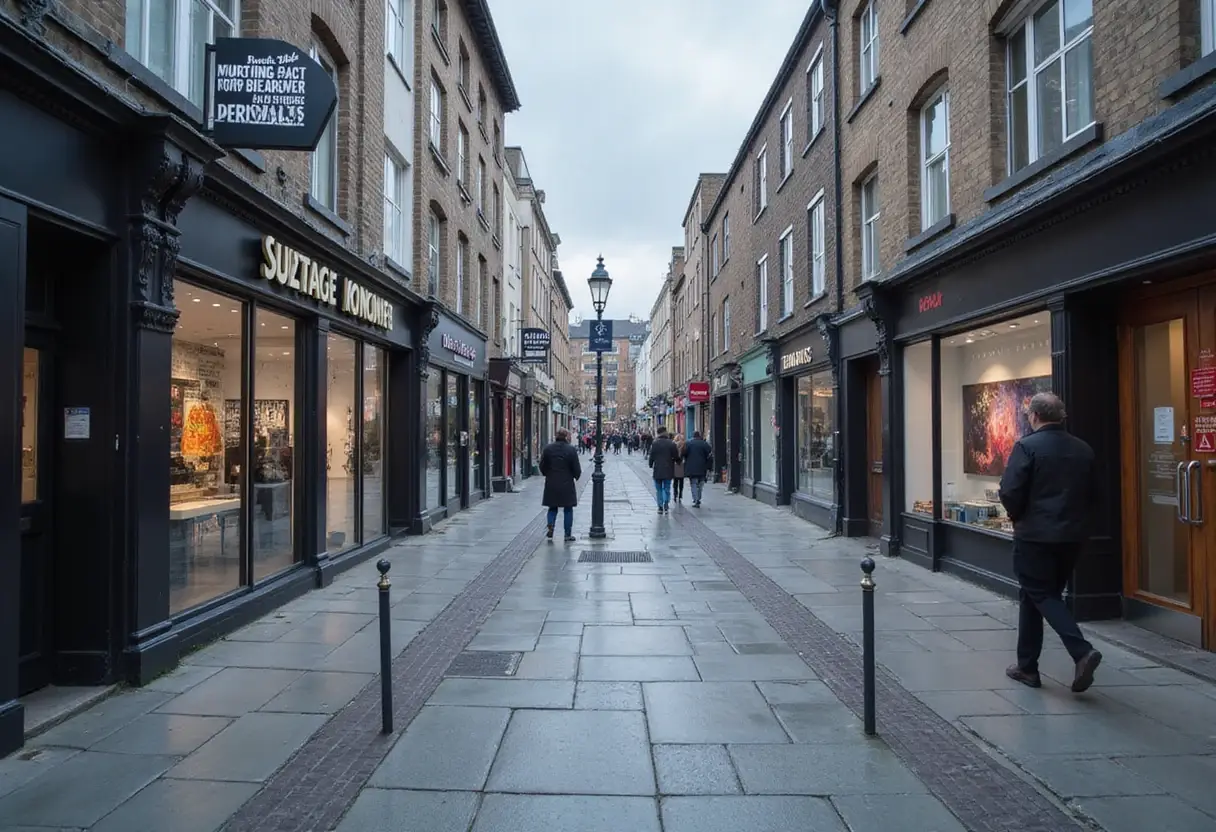
The beauty sector is filling empty units on UK high streets, with the salon market booming, a new report finds. The finding lands at a moment when retail vacancies define the commercial mix of most town centres, and personal-care businesses are among the few categories still opening physical locations.
The report, covered by Business Live, positions salons and beauty services as a growth category rather than a casualty of the high street slowdown. For working salon owners, that framing matters. It signals rising demand for premises, which typically pushes up rents in the retail units best suited to salon fit-outs — ground-floor space with water access and ventilation.
What does a booming salon market mean for owners?
Growth cuts two ways for an operating salon. Stronger consumer spend on hair and beauty services supports service pricing and retail sales. At the same time, a crowded market raises staffing pressure, because a boom attracts new entrants competing for the same qualified stylists, therapists and apprentices.
Owners weighing expansion should read the report as a market-timing signal. New salon openings concentrated in former retail space suggest landlords are now more open to beauty tenants, often on terms more flexible than the retail leases those units previously carried. That shift can reduce fit-out costs, since landlords increasingly contribute to works that make empty shops lettable again.
Why high streets, and why now?
Empty retail units create opportunity in three practical ways:
- landlords accept lower headline rents to fill vacant space;
- planning and licensing for personal-care use is generally straightforward in former shop units;
- footfall-driven locations match how clients book — walk-in and same-day appointments remain a meaningful share of salon traffic.
The report's core observation — beauty filling high street gaps — also reflects a structural change in consumer habits. Services that cannot move online, such as cutting, colouring and treatments, anchor physical visits to town centres in a way that goods retail no longer reliably does.
What should salon professionals watch next?
The detail behind the headline matters most: the report's figures on the rate of beauty openings, and any regional breakdown showing where vacancy-to-salon conversions cluster. Owners and investors should watch the next high street occupancy data release to confirm whether the trend the report identifies is accelerating or levelling off.
via Google News - Salon Industry News (Source)
More from Nathan Brooks
Show full bio
Market editor covering companies, deals and strategy in professional hair industry at Chairside Brief.
46 articles
Next in the book · Related articles
End of record · 2 min read