Chair 01Regulation & Safety
Dubai Municipality Rolls Out New 'Model' Framework for Salons
Dubai Municipality has set a new 'model' classification for beauty salons, giving the emirate's personal-care sector its first unified municipal benchmark for licensing, inspections, and renewals.
By Priya Raman
- Service
- Regulation & Safety
- Chair
- No. 01
- Booked
- Length
- 3 min
Consultation notes
- Dubai Municipality has announced a new 'model' classification for beauty salons operating in the emirate.
- The framework was first reported by Arabian Business and acts as a unified reference standard for inspectors and operators.
- The classification marks the first citywide municipal benchmark of its kind for Dubai's personal-care sector.
- Operators are advised to obtain the implementing circular for the technical hygiene, equipment, premises, and staffing specifications.
- Owners should track the grace period and the published inspection checklist as the first two enforcement signals.
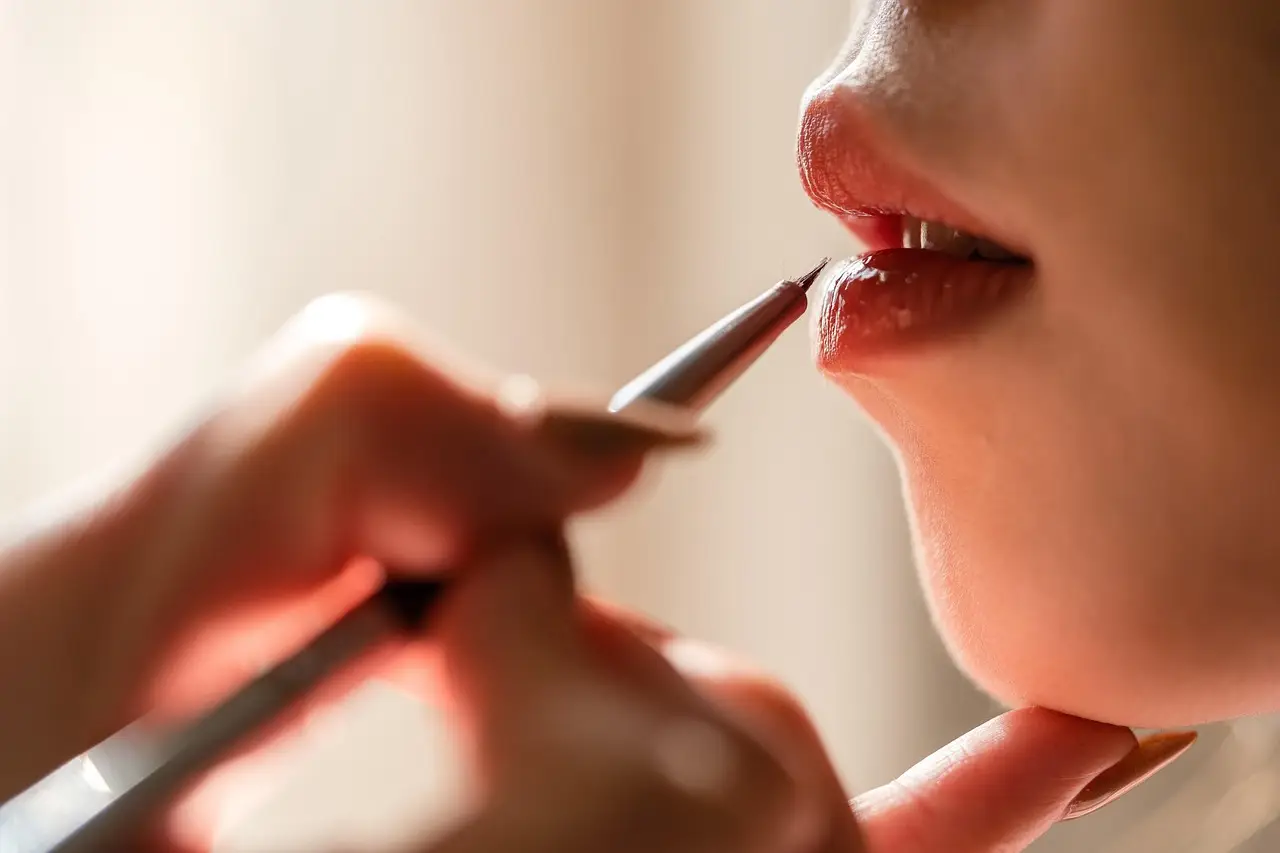
Dubai Municipality has rolled out a new "model" classification for beauty salons operating in the emirate, according to Arabian Business.
The framework gives Dubai's personal-care sector its first unified municipal benchmark for the trade — a single reference standard that inspectors, owners, and licence applicants can all work to. For working salons, the change matters less because of any single rule and more because of the operating logic shift it triggers.
Why a "model" label matters in municipal terms
In regulatory language, a "model" classification is a reference specification: a written, inspectable standard that every licensed venue must demonstrate compliance with on request. The word signals that Dubai Municipality has shifted from case-by-case approval to a preset rule book. The model document will sit at the centre of every renewal, complaint inspection, and new licence application from the rollout date forward.
That shift changes the conversation owners have with their own teams. Inspectors will no longer make discretionary judgements about whether a salon "looks professional enough." They will measure the operation against a published checklist. Anything not on the checklist becomes harder to challenge; anything on the checklist becomes harder to delay.
What owners should do this week
The first move is to wait for the implementing circular. That document carries the hygiene, equipment, premises, and staffing requirements that the headline "model" abstracts. It is the working text every operator needs on file.
Once it lands, three actions move to the top of the list:
- Print the circular and file it next to existing licences, chemical safety records, and staff certificates.
- Walk the salon against each clause with the senior stylist or clinic manager. Treat the walkthrough as a mock inspection.
- Brief every team member on the changes that touch their station. Front desk, treatment rooms, and the back bar all sit inside the model scope.
What changes for the working day
Service menus are unlikely to shrink under a model framework, but the documentation around them will grow. Treatment protocols, patch-test records, and consumable batch traceability are the kind of detail municipal models typically tighten. So do qualifications: expect the circular to specify which certifications each service category requires and how those certifications need to be evidenced during inspection.
Pricing is not usually set by a model classification. Compliance costs are, however. Owners should budget for any equipment upgrade or signage change the circular specifies, plus staff time spent on the first round of training against the standard. Factor in the cost of retraining any team member whose paperwork does not yet match the model.
What to watch next
Two data points will tell the trade how seriously the authority is enforcing the rollout. The first is the grace period: how long existing licences get before they must demonstrate model compliance. The second is the inspection checklist itself. Owners who see a generous transition window and a clean checklist can plan a phased upgrade; owners who see a short window and a granular list need to start procurement this month.
The third signal is enforcement consistency. A model is only as strong as the inspectors who apply it. If early inspections appear inconsistent across districts, expect Dubai Municipality to issue clarification guidance within the first quarter.
The trade takeaway
Dubai's beauty sector has just moved from inspector discretion to published standard. Salons that read the circular on day one and walk their floor against it on day two will own the next inspection cycle.
via Google News - Salon Industry News (Source)
More from Priya Raman
Show full bio
Correspondent covering people, launches and day-to-day practice in professional hair industry at Chairside Brief.
56 articles
Next in the book · Related articles
End of record · 3 min read