Chair 02Staffing & Booth Rent
HMRC's May 2025 tax guidance puts salon chair-rental models under scrutiny
HMRC's May 2025 guidance targets disguised employment in chair-rental salons. Owners and stylists must now prove who controls hours, tasks and pay.
By Grace Kim
- Service
- Staffing & Booth Rent
- Chair
- No. 02
- Booked
- Length
- 3 min
Consultation notes
- HMRC issued updated tax guidance for hair and beauty professionals in May 2025.
- VAT registration becomes legally required once taxable turnover exceeds £90,000.
- Salon owners earning chair-rental income must register for VAT and pay tax on those earnings.
- Self-employed workers using a limited company must file quarterly corporation tax returns.
- HMRC's helpline for employment status and tax queries is 0300 200 3300.
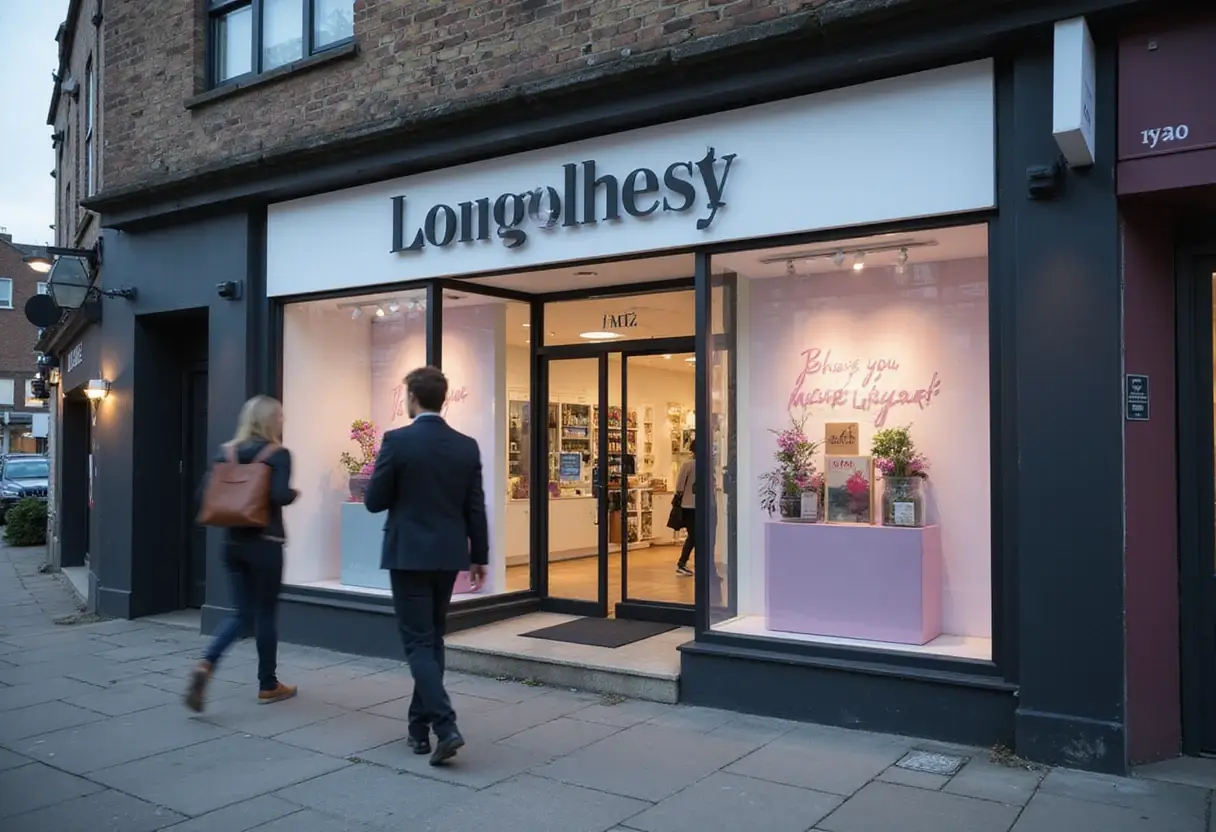
HMRC released new tax guidance for hair and beauty professionals in May 2025, and it puts the industry's dominant 'rent a chair' model squarely in the regulator's sights. The guidance applies to salon owners, self-employed hairdressers, barbers, makeup artists, mobile beauticians and home-based therapists alike.
The core message: every professional in the sector must confirm their employment status is correct for income tax purposes. HMRC is urging hair and beauty workers to check they are paying income tax correctly and following the latest guidelines.
Why does 'rent a chair' create tax risk?
The chair rental model makes tax reporting particularly complex. A stylist rents a space as a self-employed person, but the working arrangement can look — to HMRC — much like employment.
When a salon owner sets business hours, allocates clients, dictates daily tasks and controls payment, HMRC considers the stylist to be in 'disguised employment'. That carries a double cost: the freelancer loses out on rights such as holiday pay and sick leave, while the salon fails to pay the correct employer National Insurance contributions on what is effectively a salary.
The test is control. If the salon owner — not the stylist — sets working hours, daily tasks and payment, that points to employee status.
What does the guidance change?
HMRC's updated guidance, published on gov.uk, explains how to work out employment status for anyone who:
- runs a salon
- rents a space in a salon as a hairdresser, barber or makeup artist
- works as a mobile hairdresser, barber or beautician
The guidance includes worked example scenarios. In one, a stylist rents a chair, pays rent to the salon owner, sets their own schedule, prices and appointments, and earns nothing when they have no bookings. That stylist is self-employed.
The tax obligations split cleanly by status:
- Employed: the salon owner pays tax to HMRC on the worker's behalf; check employment rights and contracts.
- Self-employed: the freelancer registers for Self Assessment and pays income tax and National Insurance to HMRC directly.
What should salon owners do now?
HMRC's Check Employment Status for Tax (CEST) tool helps both salon owners and self-employed professionals determine their tax responsibilities by walking through actual working practices.
Salon owners should provide a written agreement setting out which services the salon provides and which the stylist provides. Beyond that, HMRC and industry bodies recommend:
- claiming all allowable expenses available
- hiring an accountant
- updating bookkeeping practices
For owners earning rental income from hiring out a chair or space, that income is taxable — and VAT registration becomes a legal requirement once taxable turnover passes £90,000. Self-employed workers operating through a limited company must report income on a quarterly corporation tax return.
For chair-renting stylists and beauticians, tax is paid through Self Assessment.
Which expenses can hairdressers still claim?
Allowable expenses for hairdressers include equipment and tools — foils, colours, scissors and hairdryers — plus business insurance, marketing costs, chair rental fees, clothing and certain professional body memberships. Claiming these fully reduces the Self Assessment bill.
Where to get help
Professionals unsure of their position can call HMRC on 0300 200 3300, consult the National Hair & Beauty Federation (NHBF) or the British Association of Beauty Therapy & Cosmetology (BABTAC), or speak to an accountant.
The next data point to watch: whether HMRC follows the May 2025 guidance with targeted compliance activity against salons running disguised-employment chair models.
via gov.uk (Original)
More from Grace Kim
Show full bio
News editor covering regulation, policy and their impact on professional hair industry at Chairside Brief.
46 articles
Next in the book · Related articles
End of record · 3 min read