Chair 09Regulation & Safety
HSLDA: Homeschool Graduate Denied Cosmetology License
HSLDA reports a homeschool graduate has been denied a cosmetology license. Salon owners face a credentialing compliance gap as state board equivalency rules vary by jurisdiction.
By Priya Raman
- Service
- Regulation & Safety
- Chair
- No. 09
- Booked
- Length
- 2 min
Consultation notes
- HSLDA, the U.S.'s largest homeschool legal advocacy organization, says a homeschool graduate has been denied a cosmetology license
- U.S. state cosmetology licensing requires between 1,000 and 2,100 program hours plus passing the NIC or PSI board exam
- Acceptable secondary-education documentation typically includes a standard diploma, GED/HiSET scores, a homeschool affidavit, or an evaluated transcript
- HSLDA has not disclosed the state, applicant identity, or reasoning behind the denial
- Watch HSLDA's news page for the next signal: a state-board agenda item on credential equivalency or a formal complaint
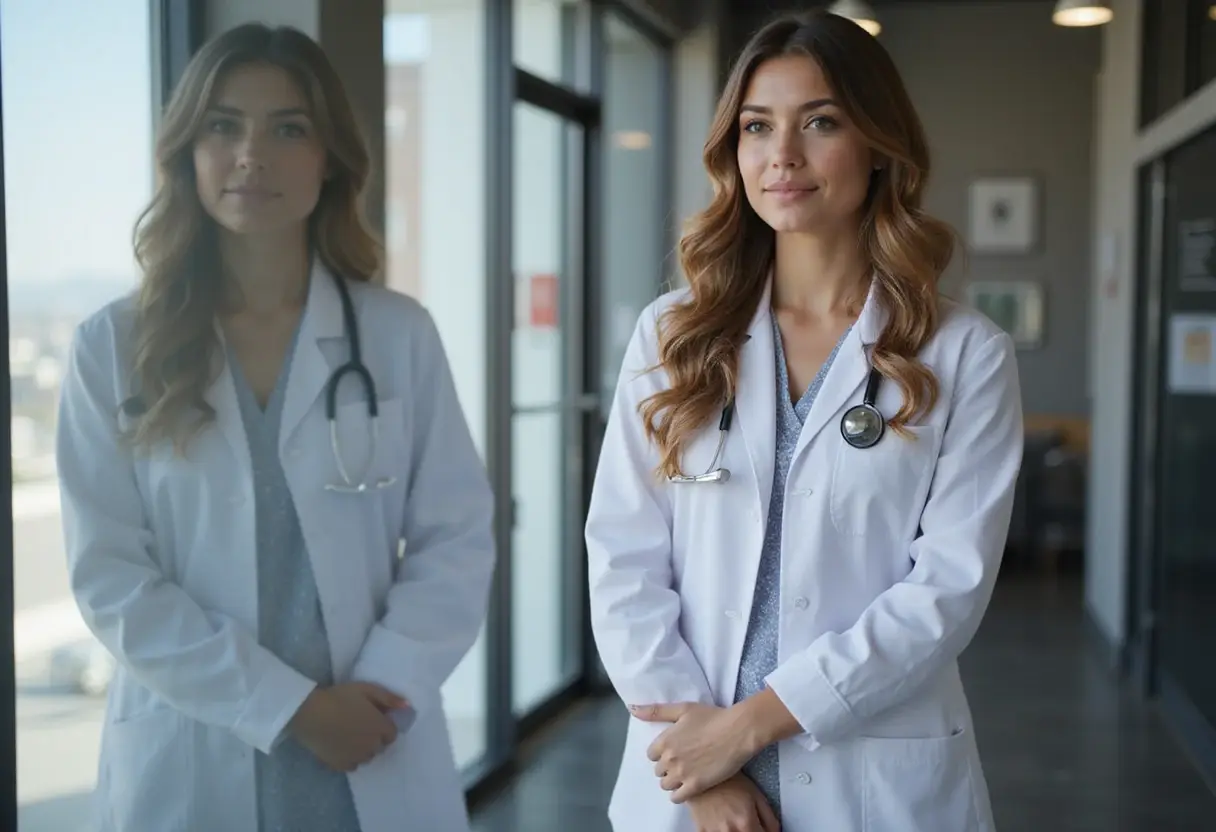
The Home School Legal Defense Association, the U.S.'s largest homeschool legal advocacy organization, says a homeschool graduate has been denied a cosmetology license, marking another test of how state boards evaluate non-traditional high school credentials.
The denial lands in a compliance corner salon operators rarely flag: the secondary-education check that precedes every cosmetology license application. State boards require proof of high school completion before counting training hours, and the definition of acceptable proof varies by jurisdiction.
What did the board reject?
HSLDA did not disclose the state, the applicant's identity, or the precise reasoning behind the rejection. The group's public notice carried a headline and an article link, but no docket number, hearing date, or statutory citation.
Without those details, the case sits as a marker, not a precedent. HSLDA has handled multiple credential disputes over the past decade, typically negotiating portfolio-review or equivalency pathways with state boards rather than pursuing courtroom verdicts.
What does a cosmetology license actually require?
Every state mandates a set program hour count, ranging from 1,000 hours to 2,100 hours depending on the jurisdiction, followed by a written and practical examination. Most states use the National-Interstate Council (NIC) exam; a minority use PSI-administered state-specific tests.
Before any of that, the applicant must document secondary education. Acceptable documentation commonly includes:
- A standard high school diploma or equivalent
- A GED or HiSET score report
- A homeschool affidavit, portfolio, or transcript
- An evaluated transcript from a recognized agency
Some boards accept a parent's affidavit of instruction as submitted; others demand notarized forms or third-party evaluation. The inconsistency is the friction point.
Why should salon owners care?
A credential denial stalls a hire. The applicant loses weeks on resubmission; the salon loses revenue from an empty chair. For multi-location operators running apprenticeship pipelines, the HSLDA case is a reminder to verify secondary-education documentation at the offer stage rather than at onboarding.
Salon owners and managers who hire from cosmetology programs should ask their school contacts which equivalency paperwork the school bundles with graduate transcripts. Some schools pre-verify equivalency for their graduates; others leave the work to the applicant.
What details remain undisclosed?
Five facts would convert a headline into an actionable brief:
- The state licensing board that issued the denial
- The deficiency stated in the denial letter
- The applicant's training hours and exam standing
- Whether an administrative appeal is pending
- Whether HSLDA plans formal legal action or a negotiated settlement
What is the next data point to watch?
HSLDA's follow-up filings. The group's news page will surface either a state-board meeting agenda listing "non-traditional education" or "credential equivalency," or a formal complaint filed in state court. Watch that page first; that is the earliest public signal of how this case resolves.
via Google News - State Board of Cosmetology (Source)
More from Priya Raman
Show full bio
Correspondent covering people, launches and day-to-day practice in professional hair industry at Chairside Brief.
56 articles
Next in the book · Related articles
End of record · 2 min read