Chair 10Regulation & Safety
Ohio Drops 200-Hour Re-Test Rule for Barbers as DeWine Signs HB 158
Ohio Gov. Mike DeWine signed HB 158, eliminating the 200-hour re-test training rule for barber students and letting 16-year-olds apply for licensure. The reform takes effect in 90 days.
By Grace Kim
- Service
- Regulation & Safety
- Chair
- No. 10
- Booked
- Length
- 3 min
Consultation notes
- Gov. Mike DeWine signed Ohio HB 158 at the Ohio State Fair, with the act taking effect in 90 days.
- The law eliminates the 200-hour additional training requirement for barber students re-taking the licensing exam.
- The minimum age to apply for a barber license or enroll in barber school drops to 16.
- HB 158 creates a unified cosmetology/barber school license and a new independent contractor license that replaces the 'shop within a shop' category.
- The Cosmetology and Barber Board merges back to 2017 under one roof; HB 158 harmonizes the Revised Code sections governing both trades.
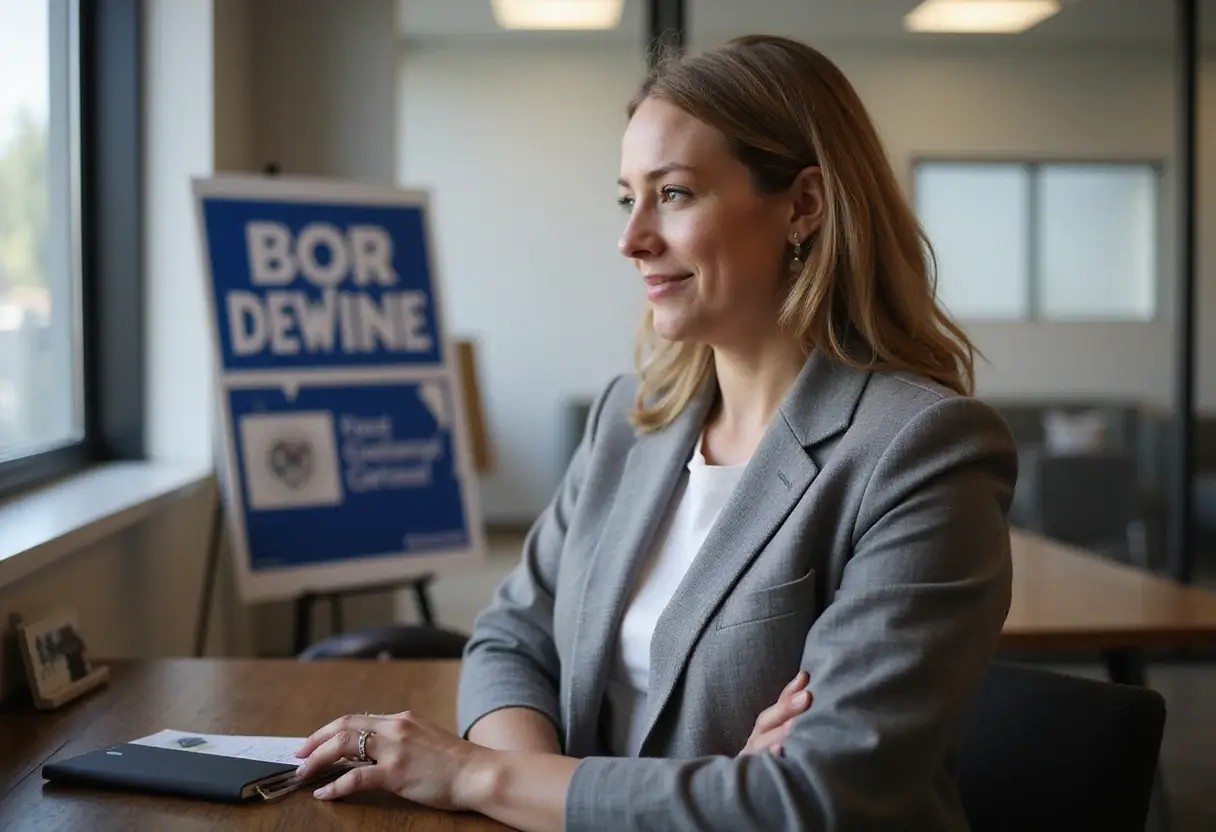
Ohio barbering and cosmetology students will no longer have to complete 200 extra training hours before retaking the state licensing exam, after Gov. Mike DeWine signed House Bill 158 into law this week. The measure, which takes effect in 90 days, marks the first bill from Rep. Melanie Miller (R-City of Ashland) and carries provisions that also lower the minimum entry age to 16 and create a unified school license for facilities teaching both disciplines.
DeWine signed the legislation at the Ohio State Fair in Columbus. HB 158 drew unanimous support from its 2023 introduction through final passage, and the Ohio House Republican caucus framed it as a long-overdue cleanup of statutes governing two boards merged into one in 2017.
What does the law change for salon owners and students?
The bill touches every step of the licensing path, from school approval to exam scoring. Key provisions Ohio operators should track now:
- A single school license for combined cosmetology and barber programs, ending duplicative applications for dual-discipline facilities.
- Expanded reciprocity for out-of-state license holders.
- Lower fines for disciplinary infractions.
- Temporary pre-exam work permits for barbers.
- Minimum application and enrollment age lowered to 16.
- A 200-hour re-test training requirement eliminated for barber students who fail the licensing exam.
- No interest or penalty fees on unpaid board fines.
- A new independent contractor license that replaces prior "shop within a shop" arrangements.
- A voluntary "inactive" license status for working stylists stepping back from active practice.
- Authority for the board to set the barber exam passing score administratively rather than through statute.
How will this reshape salon economics?
For Ohio salons, the practical effect is a compressed timeline to revenue. A student who fails the barber exam can re-take it without burning another 200 unpaid training hours, accelerating the candidate pool available to hiring managers. The unified school license removes a paperwork layer for academies already teaching both cosmetology and barbering, while the lower entry age widens the high-school recruitment funnel by two years. The independent contractor license gives the board a defined category for chair-rental and suite-style operators, replacing the patchwork "shop within a shop" framework.
Miller framed the overhaul as a structural cleanup tied to the 2017 merger. "Since the State Boards of Cosmetology and Barbering were combined into one board in 2017, we have seen the need to harmonize the sections of the Ohio Revised Code on Cosmetology and Barbering to match," she said. "I am confident that these and other changes that update our code will serve to encourage the Barber and Cosmetology industry to grow and thrive in Ohio."
She also credited joint sponsor Rep. Bill Roemer (R) and her House colleagues in remarks after the signing.
What compliance points should owners flag now?
The board can no longer tack interest or late penalties onto unpaid disciplinary fines, which simplifies the cost calculation for salons navigating enforcement disputes. Operators currently using the "shop within a shop" license will need to transition their arrangement to the new independent contractor license or to an existing facility license. The change in exam scoring authority means future passers will be measured against a board-set benchmark rather than a number frozen in statute.
When does it take effect, and what should we watch next?
Operators have roughly 90 days to prepare before the signed act takes effect. Salons, schools and license holders should monitor Ohio Cosmetology and Barber Board rulemaking filings for the administrative details behind each provision, particularly the new independent contractor license form and the board's revised exam passing score.
via ohiohouse.gov (Original)
More from Grace Kim
Show full bio
News editor covering regulation, policy and their impact on professional hair industry at Chairside Brief.
46 articles
Next in the book · Related articles
End of record · 3 min read