Chair 06Regulation & Safety
Mississippi opens public comment on barbering and cosmetology rules
Mississippi's Board of Cosmetology and Barbering is accepting public comments on the state's barbering and cosmetology rules, a review that could reshape licensing fees, sanitation standards, and scope-of-practice limits for working salons.
By Nathan Brooks
- Service
- Regulation & Safety
- Chair
- No. 06
- Booked
- Length
- 3 min
Consultation notes
- Mississippi State Board of Cosmetology and Barbering opened a public comment period on the state's barbering and cosmetology administrative rules.
- Title 30, Part 100 covers licensing, sanitation, curriculum, and instructor qualifications for salons, barbershops, and approved schools.
- Mississippi cosmetology and barbering licenses renew on a biennial cycle, so any fee changes adopted now appear on the next renewal invoice.
- Scope-of-practice rules determine which services each license class can legally perform, including skin treatments and lash work for estheticians.
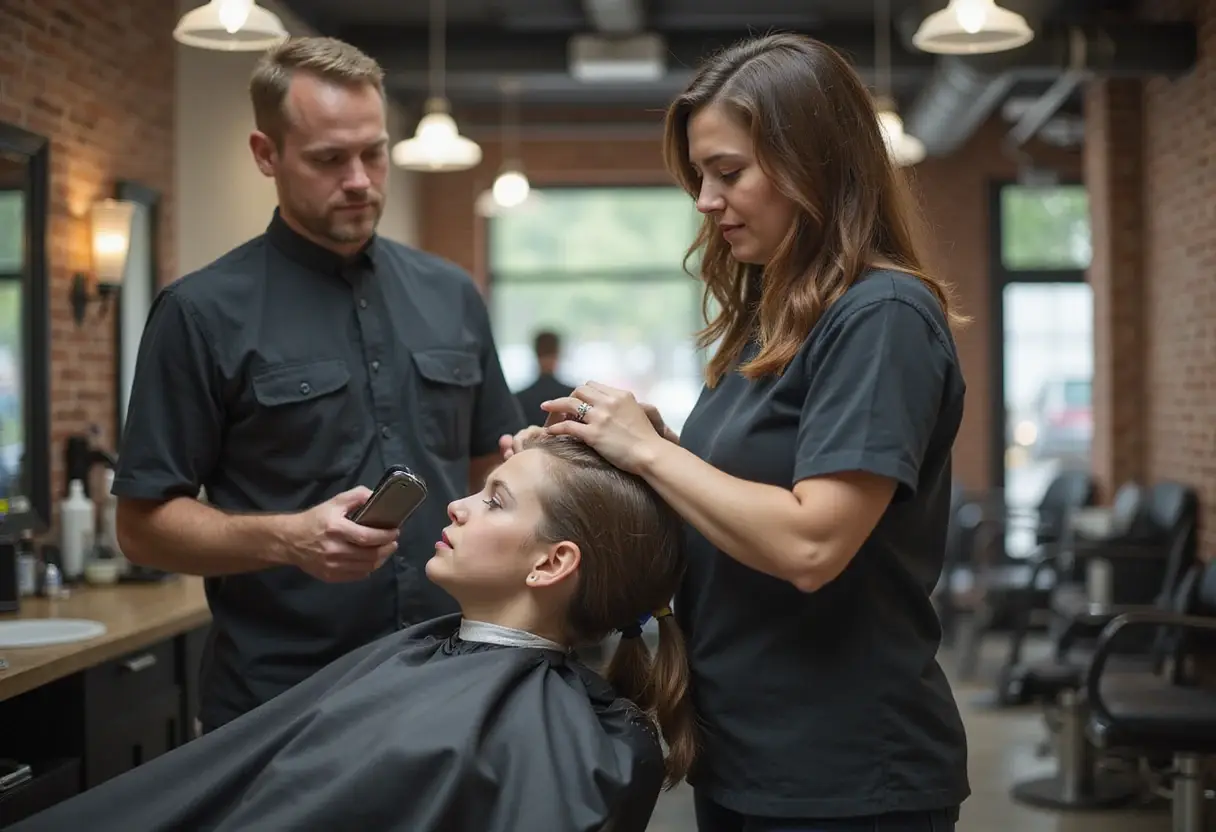
Mississippi regulators are soliciting public comments on the state's barbering and cosmetology rules, WDAM-TV reported, opening a rulemaking review that will reshape licensing, sanitation, and scope-of-practice standards for working salons and barbershops statewide.
The Mississippi State Board of Cosmetology and Barbering launched the comment window through administrative rule filings, inviting licensed cosmetologists, barbers, instructors, school operators, salon owners, and members of the public to weigh in on current Title 30, Part 100 regulations covering licensing, facility inspection, sanitation, curriculum, and instructor credentials.
Which rules are on the table?
The board's notice targets the administrative rules that govern daily operations: hygiene and sanitation requirements, workstation and equipment standards, licensee continuing education, and the criteria schools must meet to remain approved training sites. Changes to sanitation chapters alone can move the needle on supply costs, sterilization cycles, and the single-use versus multi-use tools operators keep on their stations.
Scope-of-practice language — what services a license class can legally perform — is also part of the review. That section determines whether, for example, a barber licensee can administer certain skin treatments or whether an esthetician can offer specific waxing or lash services without a separate endorsement.
Why does the rule review matter for salons?
For a working operator in Jackson, Hattiesburg, or Gulfport, a single wording change in Title 30 can affect what gets stocked, what gets logged, and what gets billed. Updated sanitation rules may require new disinfection protocols or replace disposable materials that the shop currently reuses. Revised curriculum hours for cosmetology and barbering students can shift enrollment timing at the state's approved schools, which in turn changes the pipeline of test-ready licensees entering the workforce.
Licensing fee adjustments, when they appear in a rule package, directly hit renewal budgets. Mississippi's current biennial renewal cycle means a fee revision adopted now would show up on the next renewal invoice operators pay to keep their wall certificates active.
School owners and instructors face the most immediate compliance load. Revised instructor-to-student ratios, new hour requirements for specific services, and updated facility standards for student clinics all require capital planning, often on timelines shorter than a typical lease cycle.
How can operators submit comments?
The board accepts written comments through its administrative rules filing process. Public hearings scheduled as part of the rulemaking cycle give licensees a chance to testify in person, a route that barbering and cosmetology boards typically log in meeting minutes posted to the state website.
Operators who skip the comment window usually get a second bite at the apple during the legislative review, when rules move through the Mississippi State Legislature's oversight process. Miss both, and the next opportunity comes only when the board initiates its next substantive rule amendment.
When should operators watch for the next step?
The next data point worth tracking is the board's published comment deadline. Mississippi's regulatory committee calendar will list the close-of-comment date, after which the board can move rules to a public hearing, finalize them, and forward them to the Secretary of State's office for filing. Operators who depend on predictable sanitation supply orders or upcoming student clinic schedules should bookmark the board's meeting minutes page and check for a republished notice before the comment window closes.
via Google News - State Board of Cosmetology (Source)
More from Nathan Brooks
Show full bio
Market editor covering companies, deals and strategy in professional hair industry at Chairside Brief.
46 articles
Next in the book · Related articles
End of record · 3 min read