Chair 07Color & Chemistry
KIM Report Flags a Hair Color Split: Volume Down, Value Up
The KIM Report, summarized by Salon Today, shows professional hair color shifting from high-volume, lower-yield service toward fewer, higher-ticket visits — and the trade implications for salon operators are significant.
By Priya Raman
- Service
- Color & Chemistry
- Chair
- No. 07
- Booked
- Length
- 3 min
Consultation notes
- KIM Report shows hair color unit volume falling across its reporting panel
- Hair color value per service is rising in the same period
- The divergence signals a shift from high-count, lower-yield service toward fewer, higher-ticket visits
- Salon Today published the KIM findings this week
- The next KIM release will clarify whether the value gain is pricing-led or mix-led
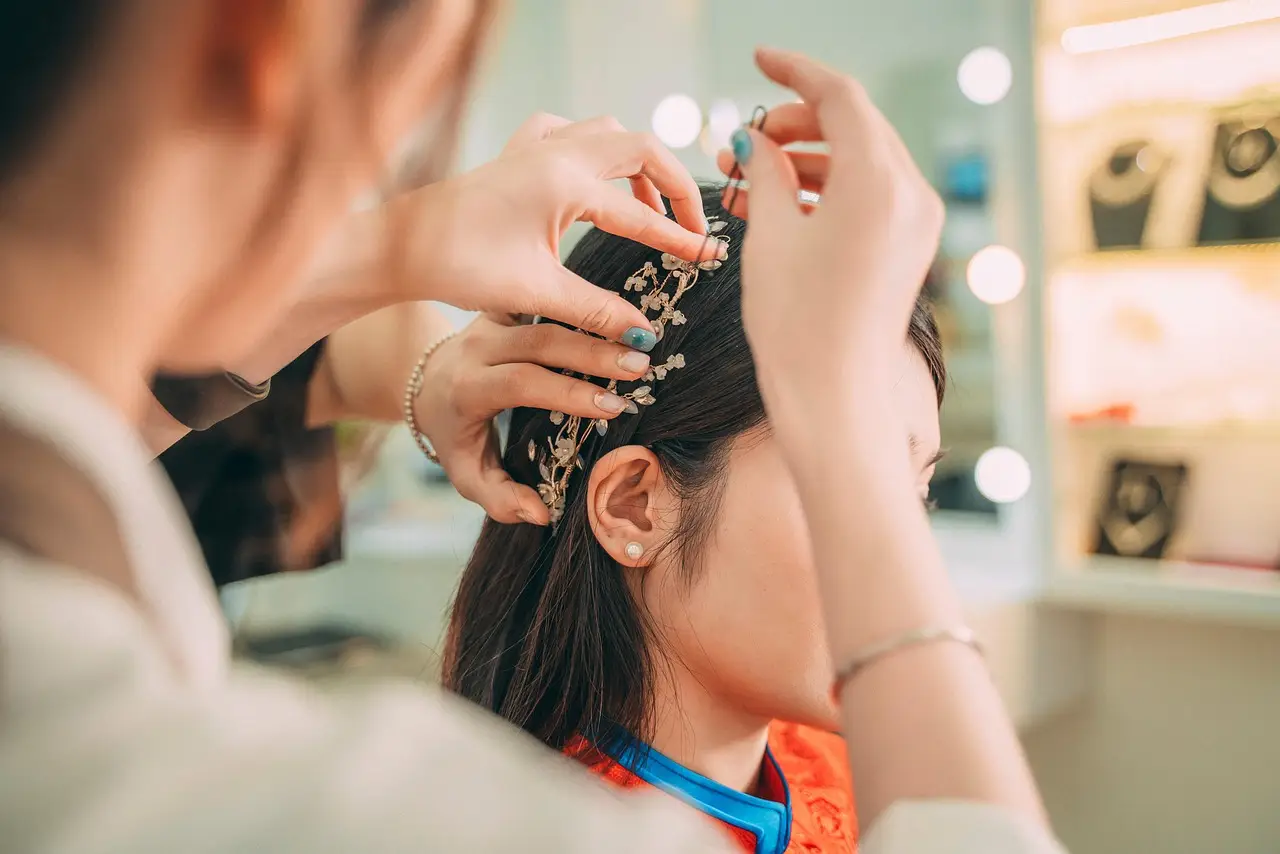
The KIM Report, summarized by Salon Today, flags a counter-intuitive split in professional hair color: unit volume is falling, while revenue captured per service is climbing.
That headline finding — color volume down, color value up — lands at a moment when multi-chair operators are recalibrating pricing against labor cost, color cost, and a softer appointment book. KIM's panel data points to the trade moving from a high-count, lower-yield model toward fewer, higher-ticket color visits.
What does "volume down, value up" actually mean?
KIM splits two gauges that salons usually read together. Volume counts color services performed across the reporting panel. Value measures dollars booked per color ticket. The two have moved in opposite directions, which means operators are not simply losing clients. They are selling fewer color services at a higher average price per visit.
For a working salon, that distinction changes the read on a softer calendar. A pure volume decline without a value offset would signal erosion of the color book. A value climb alongside fewer units points to pricing discipline, mix shift toward premium services, or both.
Why does the divergence matter for the P&L?
Color typically carries the highest service margin and the strongest retail attachment in a multi-chair salon. A drop in volume pressures chair utilization and turns on shampoo, bond builders, and take-home color care. A lift in per-ticket value offsets some of that pressure when the increase exceeds the volume loss in dollars.
The net effect on revenue depends on the relative rate of change. If KIM's value gain outpaces the volume loss, color stays a growth line on the income statement even with fewer heads in the chair.
If volume decline outruns the value climb, color turns into a contraction line, and operators feel it in commission payouts and product mix.
How should owners read the value signal?
Three practical reads from the split:
- Pricing power is holding. Salons are not chasing discount traffic to fill the book.
- Mix is shifting toward premium services. Balayage, lived-in color, gray blending, and corrective work typically carry higher tickets than single-process retouch.
- Client frequency may be normalizing. The post-pandemic multi-visit client is settling into a maintenance cadence that supports fewer, richer appointments.
Each read carries a different operating response. A pricing-power signal supports further rate increases. A mix shift argues for retraining on premium techniques. A frequency normalization argues for restructuring color packages around maintenance rhythm rather than aggressive six-week recall.
What to watch next
The volume-versus-value split will dictate where salon owners push back on costs through the rest of the year. If value holds while volume stabilizes, color regains its margin center of gravity. If volume keeps sliding and value follows, owners should expect renewed pressure on labor scheduling, color expense ratios, and retail attachment strategy.
The next data point worth watching is KIM's next release, which will confirm whether the value climb is a pricing-led move or a mix-led move — and whether the volume decline is a structural shift or a cyclical pullback from the post-pandemic color boom.
via Google News - Professional Hair Color (Source)
More from Priya Raman
Show full bio
Correspondent covering people, launches and day-to-day practice in professional hair industry at Chairside Brief.
56 articles
Next in the book · Related articles
End of record · 3 min read