Chair 02Salon Business
Regis Corp. Spends $22M to Reclaim 314 Franchise Salons
Regis Corp. is paying $22 million to buy back 314 franchise salons, returning the locations to direct corporate operation in one of the chain's larger recent recaptures.
By Nathan Brooks
- Service
- Salon Business
- Chair
- No. 02
- Booked
- Length
- 3 min
Consultation notes
- Regis Corp. is paying $22 million to buy back 314 franchise salons
- The implied per-location value works out to roughly $70,063
- The buyback returns the units from licensed franchisees to direct corporate operation
- Regis Corp. did not disclose the brand banner, geography, or closing timeline in the announcement
- The deal is one of the chain's larger franchise recaptures in recent years
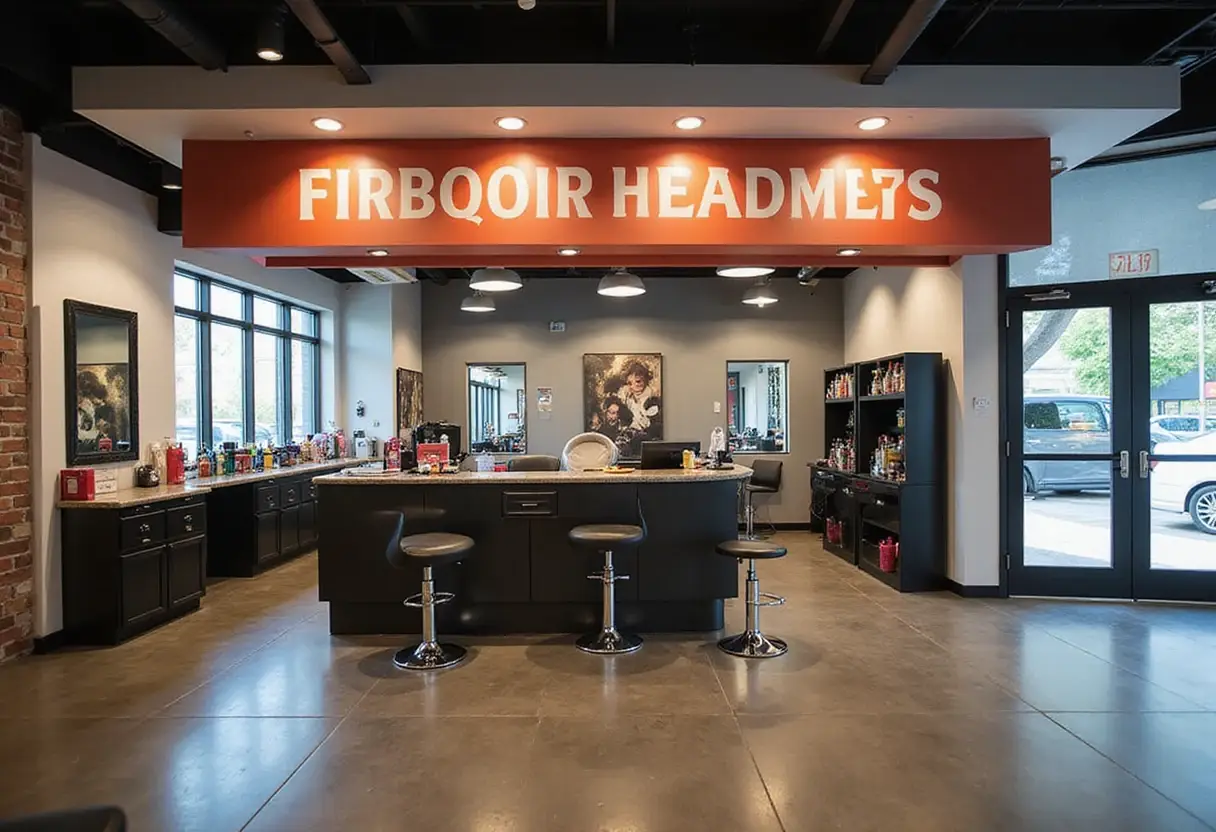
Regis Corp. is paying $22 million to buy back 314 franchise salons, returning the locations to direct corporate operation. The transaction works out to roughly $70,063 per location and ranks among the chain's larger franchise recaptures in recent years.
The publicly traded salon operator did not disclose which brand banner the 314 units operate under, the geographic footprint of the buyback, or the closing timeline. The transfer valuation, however, sits in a familiar band for mid-market salon recaptures, where unit prices typically run from low five figures for underperforming franchisees to several hundred thousand dollars for high-volume urban salons.
What does the deal mean for the franchisees?
For sellers, the buyout ends a multi-year licensing relationship. Departing owners walk away from recurring royalty payments, brand-marketing fund contributions, and the technology subscriptions that corporate parents typically charge. They also exit the equipment refresh and brand-standards compliance cycle that franchisees must follow to remain in good standing.
In most franchise recapture agreements, the seller accepts a non-compete for a defined period — often 12 to 24 months — restricting them from opening a competing branded salon nearby. The length of the non-compete in this transaction has not been released.
Why does Regis want the salons back?
Reclaimed units deliver full ticket revenue and full margin, rather than the royalty split a franchisor collects from a licensee. Corporate operation also gives the parent direct control over staffing, pricing, service menus, and retail merchandising — useful when a chain is standardizing the customer experience across the network.
For working stylists at the 314 affected locations, the practical question is whether the salons reopen under the same banner, get rebranded, or close. Buybacks of this scale typically include a small share of underperforming doors that the acquirer is required to operate for a transition window before any consolidation decisions.
How does the deal sit in the broader market?
Regis Corp. operates one of the largest salon portfolios in North America, with thousands of corporate and franchise locations across multiple brands. The company has spent the last several years trimming underperforming doors, so a 314-unit recapture is a clear reversal of direction. The move suggests the parent now sees more value in owning customer relationships directly than in collecting franchise royalties from operators running on compressed margins.
The wider salon M&A market has stayed active through 2025, with consolidators acquiring independents and financially pressured franchisees. Per-unit multiples in those transactions have largely held steady, with strong urban locations still commanding premium valuations.
What should operators watch next?
Three signals to track:
- A location-level disclosure of which brand banner the 314 salons operate under
- The closings and integration timeline, which comparable deals typically pace over two to four months
- Whether Regis flags one-time transition costs in its next quarterly filing
Until the company holds an analyst call or files its next 10-Q with unit-level detail, the operating picture for the affected stylists and clients remains limited to the headline number.
via Google News - Salon Industry News (Source)
More from Nathan Brooks
Show full bio
Market editor covering companies, deals and strategy in professional hair industry at Chairside Brief.
46 articles
Next in the book · Related articles
End of record · 3 min read