Chair 07Salon Business
Salon Chains Face Margin Squeeze as Doorstep Services Boom
A Livemint report frames a structural shift in Indian grooming: home-booked beauty services are eroding salon-chain footfall and exposing the fixed costs built into store-based operator models.
By Priya Raman
- Service
- Salon Business
- Chair
- No. 07
- Booked
- Length
- 2 min
Consultation notes
- Livemint headline: 'A makeover challenge for salon chains as doorstep services boom'.
- Aggregator home bookings convert fixed salon rent into variable per-visit cost.
- Door-to-door operators typically operate outside India's formal ESI and PF coverage.
- Chains are responding with in-house at-home arms, premium in-clinic services, and prepaid memberships.
- Indicator to watch: same-store revenue growth when next quarterly results from listed Indian salon chains publish.
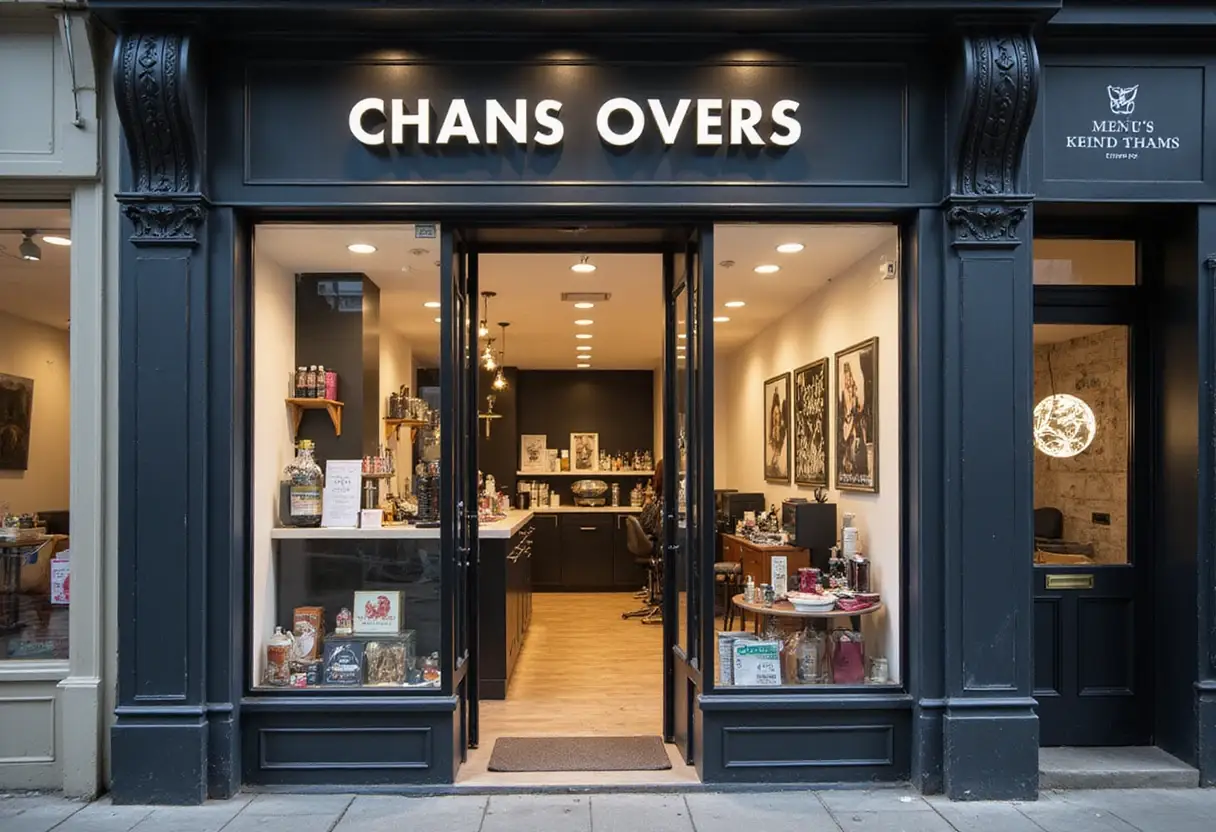
Salon Chains Face Margin Squeeze as Doorstep Services Boom
A Livemint report frames a structural threat to India's organized salon chains: aggregator-led home beauty bookings are siphoning footfall from store-based operators and exposing the fixed costs those networks were built on.
The Livemint headline — "a makeover challenge for salon chains as doorstep services boom" — sets up a dynamic that is operational, not seasonal. Indian consumers are moving color, wax, skin and bridal work out of clinics and into living-room appointments booked through apps and freelance networks.
What changes for working salons
A salon chair is a fixed asset: it pays for rent, light, an assistant and a sink whether the client shows at 2pm or not. A doorstep booking is a variable cost — the stylist arrives, performs the service and departs. The customer may pay comparable prices; the operator's unit economics diverge sharply.
Three lines tighten most under sustained footfall decline:
- Real estate: long-lease commitments in malls and high-street anchors do not adjust when Saturday appointments cancel.
- Stylist payroll: senior staff who anchor revenue stay on the salary line even when the appointment book thins.
- Inventory: perishable color, keratin and retail SKUs age on shelves when repeat visits migrate online or to the home.
The compliance shadow
Door-to-door operators and aggregator-booked freelancers typically operate outside India's formal employment framework. Organized chains absorb ESI, PF and minimum-wage obligations and pass them into pricing; home-service rivals do not carry those costs. That compliance asymmetry undercuts chain rates before the doorstep operator ever competes on price.
How chains are responding
Operators are pursuing three converging moves. The first is launching in-house at-home arms that convert fixed rent into per-dispatch cost. The second is concentrating marketing on services requiring a sink, a station and clinical hygiene — color correction, keratin, facials, bridal trials — which a folding chair in a bedroom cannot replicate. The third is converting walk-in clients into membership and prepaid package holders, removing the occasion-driven booking that aggregator apps are designed to capture.
Forward watch
The next data point to track is whether listed Indian salon chains report same-store revenue growth when their next quarterly numbers publish. A second consecutive quarter of flat store-level sales would lift the Livemint headline from a one-quarter shock into a structural P&L problem — and force chain boards to choose between cutting footprint, cutting payroll, or repricing.
via Google News - Salon Industry News (Source)
More from Priya Raman
Show full bio
Correspondent covering people, launches and day-to-day practice in professional hair industry at Chairside Brief.
56 articles
Next in the book · Related articles
End of record · 2 min read