Chair 07Salon Business
Salon chains face pressure from home-service apps and skin clinics
India's salon chains are being squeezed by home-service beauty apps below and dermatology clinics above, pressuring margins on both routine and premium services.
By Rebecca Stone
- Service
- Salon Business
- Chair
- No. 07
- Booked
- Length
- 2 min
Consultation notes
- Salon chains in India report losing business to home-service beauty platforms and dermatology clinics, per Livemint.
- Home-service platforms compete on convenience and avoid salon property costs.
- Dermatology clinics are pulling high-margin skin and aesthetic treatments away from salons.
- The pressure challenges the thesis that organized chains would keep gaining share from independent salons.
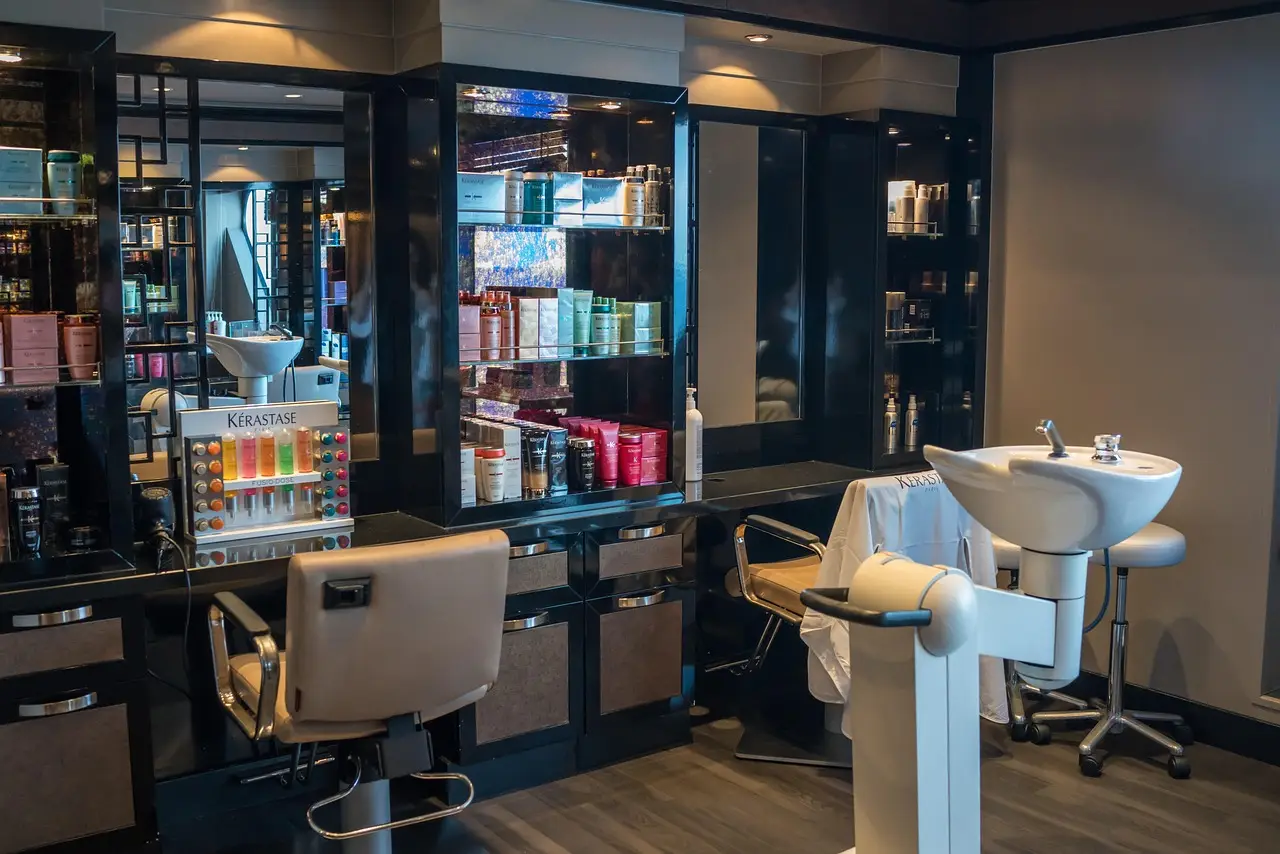
Salon chains in India are losing business to two rivals at once: home-service beauty platforms and dermatology clinics. That is the core finding of a Livemint report on the country's beauty services market, and it lands on an industry that had counted on organized chains taking share from independents, not the reverse.
The pressure comes from two directions. At the convenience end, home-service platforms deliver grooming treatments to the customer's door. At the clinical end, dermatology clinics pull away the higher-value skin and aesthetic work that salons once treated as their premium tier.
Why does this squeeze hurt chains specifically?
Chains carry fixed costs that app-based competitors and clinic operators do not share. Rented high-street locations, trained staff on payroll and standardized hygiene protocols all weigh on the margin of a multi-outlet salon business. A home-service platform matches freelance stylists to customers and skips the property cost entirely. A dermatology clinic, staffed by medical professionals, can charge clinically anchored prices for skin treatments that a salon struggles to justify.
The result: chains sit in the middle of the market with the cost base of the top end. Independent salons, with lighter overheads, have more room to discount. Clinics own the medical-grade segment outright.
What does the shift mean for working salons?
For salon owners and managers, the report signals three practical pressures:
- Service mix: skin and advanced aesthetic work, traditionally the highest-margin menu items, is migrating to dermatology clinics with medical credentials.
- Footfall: routine grooming services face direct substitution by home-service platforms competing on convenience.
- Pricing: chains must justify their rates against both cheaper at-home options and more credentialed clinical ones.
Staffing follows the same logic. Experienced skin therapists and senior stylists can migrate to platforms as freelancers or to clinics as technicians, leaving chains to fund training for staff who may not stay.
Is the chain model itself in question?
Not yet, but the growth story has changed. Organized chains had positioned themselves as the natural winners as Indian consumers moved from neighborhood parlors to branded outlets. That consolidation thesis now has competition from formats that did not exist when it was written. Platforms scale without opening a single location. Clinics grow by adding medical authority to services salons already offered.
For an individual salon, the strategic response fits in one sentence: defend routine services on convenience and experience, and decide quickly whether advanced skin work stays on the menu or gets referred out to a clinic partner.
Watch the next round of expansion announcements from India's large chains. Fewer new outlets and more investment in either in-home delivery or clinical partnerships would confirm the squeeze the report describes.
via Google News - Salon Industry News (Source)
More from Rebecca Stone
Show full bio
Staff writer covering people, launches and day-to-day practice in professional hair industry at Chairside Brief.
51 articles
Next in the book · Related articles
End of record · 2 min read