Chair 11Regulation & Safety
Tennessee Sets Jan. 1 Deadline for Domestic Violence Training
Tennessee beauticians must complete mandatory domestic violence recognition training by January 1 under state law, putting a hard compliance deadline on every licensed salon.
By Amara Osei
- Service
- Regulation & Safety
- Chair
- No. 11
- Booked
- Length
- 3 min
Consultation notes
- Tennessee law requires beauticians to complete domestic violence recognition training by Jan. 1
- The requirement attaches to individual licensees, including booth renters and suite operators
- Training covers recognizing signs of abuse, not intervention or counseling
- Salon owners should document completion for every stylist on staff
- The deadline lands during one of the salon industry's busiest seasons
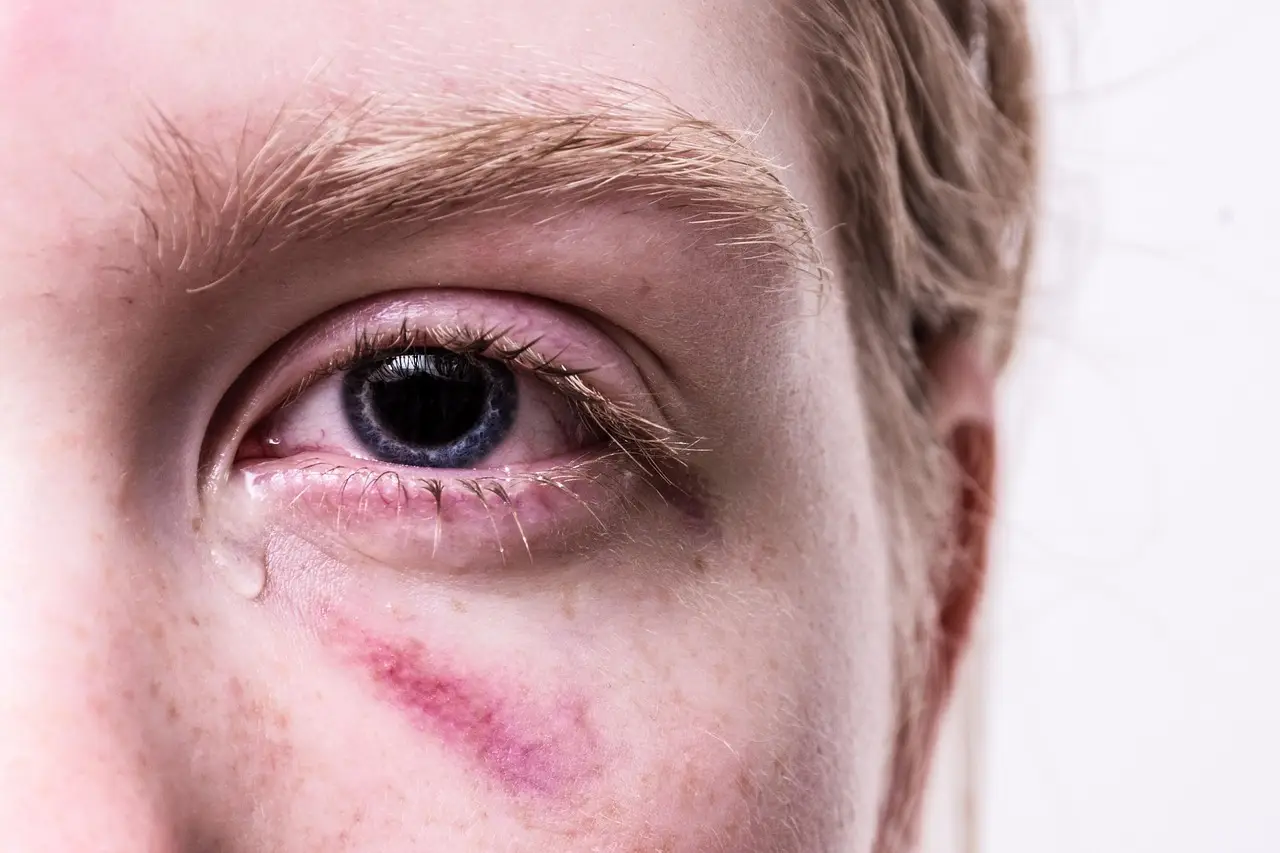
Tennessee beauty professionals must complete mandatory domestic violence recognition training by January 1, under a state law that turns every licensed salon and barbershop into a potential frontline checkpoint for abuse victims.
The requirement applies to beauticians licensed in Tennessee, and the January 1 compliance date is firm: licensees who have not finished the training by that date fall out of step with state rules. For salon owners, that means scheduling training time for every stylist on the books before the calendar turns — and documenting it.
What does the law actually require?
The statute mandates that beauticians complete training in recognizing the signs of domestic violence. The logic behind targeting this profession is straightforward and specific to the trade: stylists work in close physical proximity to clients, often see areas of the neck, scalp and face that others do not, and build long-term conversational relationships that few other service professions match.
The training is designed to help licensees recognize indicators of abuse — not to intervene as counselors or law enforcement. For working salons, this is the compliance line that matters: staff are being asked to notice and know how to respond, not to take on a casework role.
What does this mean for salon operations?
For a working salon in Tennessee, the law touches three operational areas:
- Staff time. Every beautician on the payroll needs allocated hours for the training before the January 1 deadline, which lands in one of the busiest stretches of the salon calendar.
- Documentation. Owners should keep records of completion for each licensee, the same way they track continuing education hours for license renewal.
- Client protocols. Salons may want a simple internal answer to the question the training raises: if a stylist recognizes warning signs, what is the referral step? The law mandates recognition training, not a scripted intervention policy, but having a defined next step protects both client and staff.
Single-chair suite renters and booth renters carry the same obligation as large salon operators — the requirement attaches to the licensee, not the establishment. Independent stylists who deferred their own compliance planning should treat January 1 the way they treat a license renewal date.
Why the beauty industry?
Legislatures in several states have looked at cosmetology licensees as a trained set of eyes for domestic violence recognition, precisely because of the access and trust built into a salon appointment. Tennessee's law puts that thinking into statute with a hard deadline attached.
For the state's beauty sector, the practical upside is reputational: salons positioned as safe, trained spaces can strengthen client loyalty in a service business built on repeat visits and word of mouth. The practical cost is modest — training hours — but the deadline is real, and non-compliance puts licensure at risk.
What happens next?
The date to watch is January 1, when the training requirement takes full effect for Tennessee beauticians. Salon owners should confirm this week that every licensee on staff has completed the course and file the proof, then watch for follow-up guidance from the state licensing authority on how completion will be verified at renewal.
via Google News - State Board of Cosmetology (Source)
More from Amara Osei
Show full bio
Senior reporter covering companies, deals and strategy in professional hair industry at Chairside Brief.
48 articles
Next in the book · Related articles
End of record · 3 min read