Chair 09Salon Business
Frank's Barbershop in Waltham to Close After 76 Years
Frank's Barbershop, a Waltham institution for 76 years, is closing — redistributing loyal walk-in clients and a licensed barber or two into the local market.
By Rebecca Stone
- Service
- Salon Business
- Chair
- No. 09
- Booked
- Length
- 2 min
Consultation notes
- Frank's Barbershop in Waltham is closing after 76 years in business.
- The shop dates to the late 1940s, making it one of Waltham's longest-operating barbershops.
- Its closure redistributes loyal walk-in clients and licensed barbers into the surrounding Waltham market.
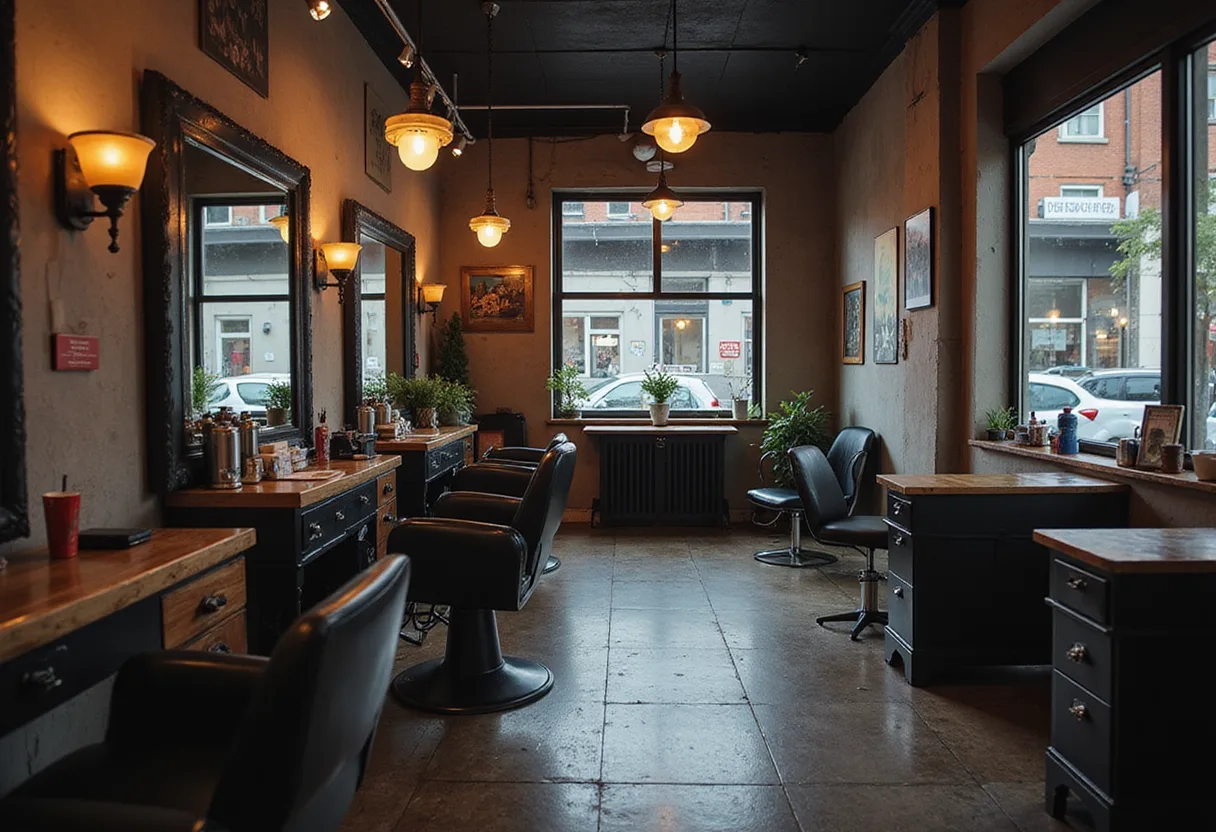
Frank's Barbershop, a Waltham fixture for 76 years, is closing its doors — ending a run that stretches back to the late 1940s and removing one of the city's longest-operating shops from the local trade.
Seventy-six years is the number that matters here. A barbershop that opened in that era began cutting hair before television reached most American homes, and it kept cutting through every subsequent shift in the trade — the rise of unisex salons, the franchised chop-shop model, the post-2008 squeeze and the pandemic-era closures that thinned barbering ranks nationwide. A shop surviving all of that, and then stopping now, tells the working barber something about the pressure still running through the independent segment of the market.
For Waltham specifically, the closure takes a traditional walk-in shop out of the mix. Shops of this vintage typically anchor their business on repeat clientele, neighborhood word of mouth and steady clipper-and-scissor work rather than product retail or chemical services. When one closes, the clients do not disappear — they redistribute. Nearby barbershops and salons in Waltham should expect a share of that displaced demand, particularly older male clients who value a traditional shop and are the least likely to migrate to app-based booking or franchise chains.
The revenue model those clients bring is worth noting. A classic barbershop chair can turn a haircut every 20 to 30 minutes at a modest ticket price, but with minimal product cost and almost no chemical service overhead. Volume, loyalty and low cost of goods — not high average tickets — drive that business. Any shop positioned to absorb Frank's former clients should consider whether its staffing and walk-in capacity can handle an influx that books by habit rather than by appointment.
The closure also fits the broader pattern trade observers have tracked for years: independent single-owner shops are the most exposed units in professional hairdressing. They carry full rent and utility loads without the purchasing power, shared staffing or marketing budgets of multi-location operations. When a 76-year-old shop exits, the cause is almost never a single bad quarter — it is the cumulative arithmetic of fixed costs, owner age and succession. A shop with no succession plan closes when its owner stops; that is the simplest and most common exit in the trade.
For owners of comparable independent shops, the actionable point is straightforward. A closure of this kind frees up both clients and, potentially, a licensed barber or two into the local labor pool. Waltham salons hiring should watch for that; Waltham salons competing for male grooming traffic should watch it even more closely.
The next data point to watch is what becomes of the vacated premises and, more importantly, of the client book — whether another operator takes over the location or the trade disperses across the surrounding blocks.
via Google News - Barbershop Business (Source)
More from Rebecca Stone
Show full bio
Staff writer covering people, launches and day-to-day practice in professional hair industry at Chairside Brief.
51 articles
Next in the book · Related articles
End of record · 2 min read